

-

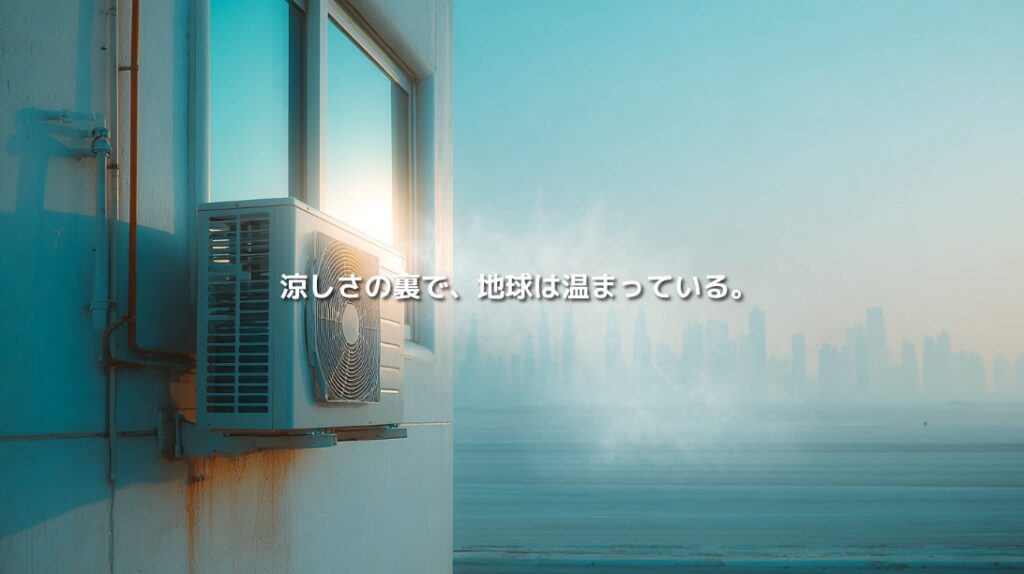
Cooling Our Rooms While Warming the Planet: The Invisible Problem of HFC Refrigerants
Air conditioning protects people from dangerous heat, but many systems contain HFC refrigerants with global warming effects hundreds or thousands of times greater than carbon dioxide. How can society provide essential cooling without intensifying climate change? -
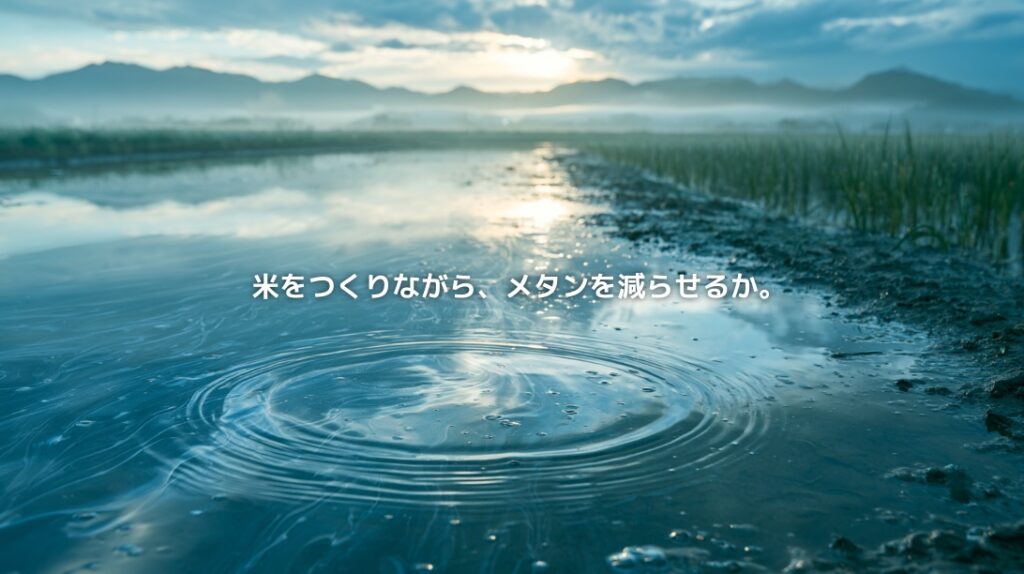
Do Rice Paddies Emit Greenhouse Gases? The Current State of Methane Reduction in Rice Farming
Methane from rice paddies accounts for approximately 40 percent of Japan’s methane emissions. Extending midseason drainage can reduce emissions by around 30 percent, but crop yields, biodiversity, food safety, and farmers’ workloads must also be considered. -
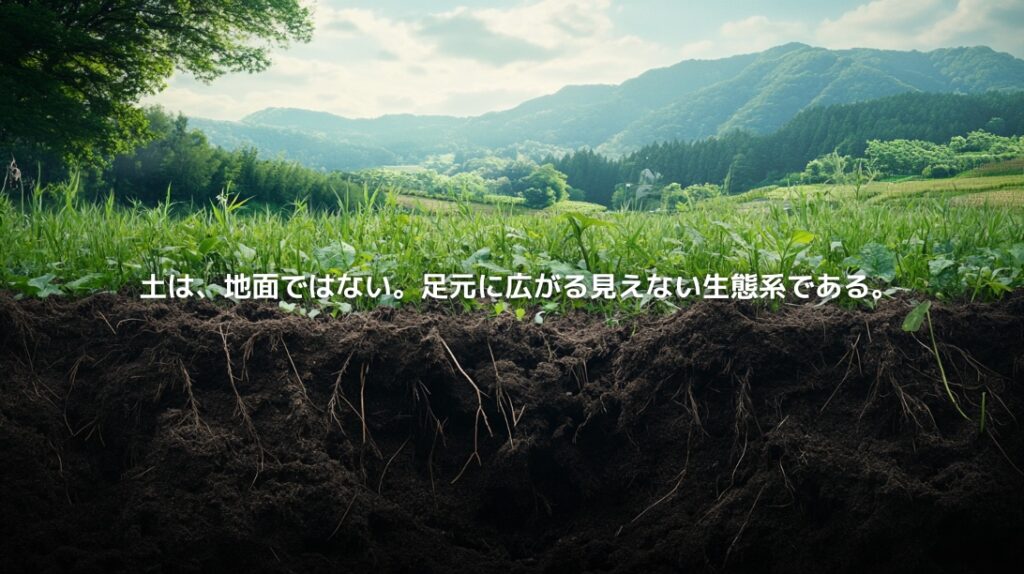
When Life Beneath the Soil Disappears: The Hidden Ecosystem Under Our Feet
Soil is not simply the ground beneath us. It is a living ecosystem filled with microorganisms, fungi, earthworms, and insects that support food production, water cycles, forests, and carbon storage. -
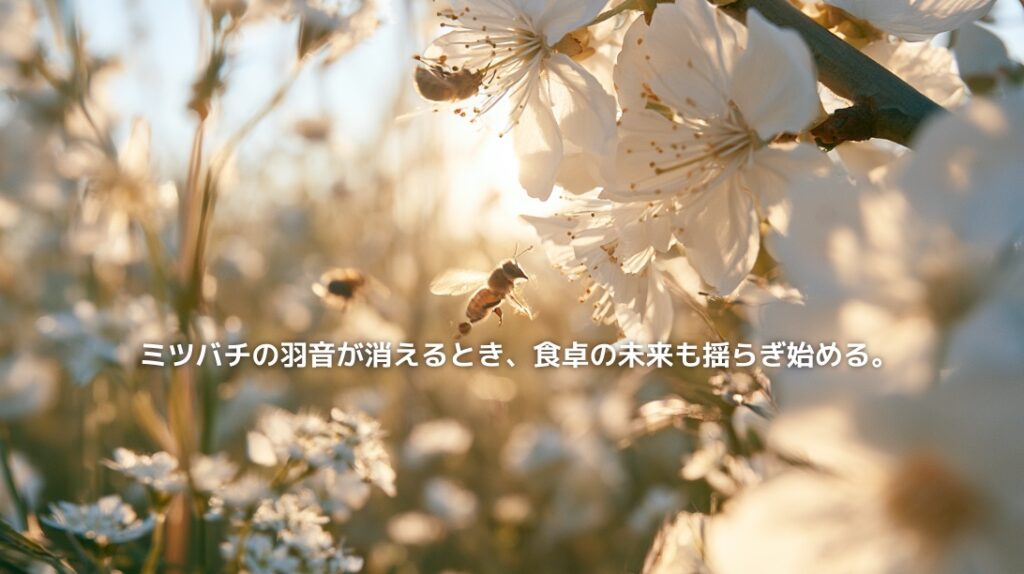
When Bees Disappear: The Crisis Facing the Tiny Pollinators That Sustain Our World
Bees and other pollinators connect flowers, produce harvests, and support entire ecosystems. Yet habitat loss, pesticides, climate change, invasive species, and flower-poor landscapes are threatening their future. -
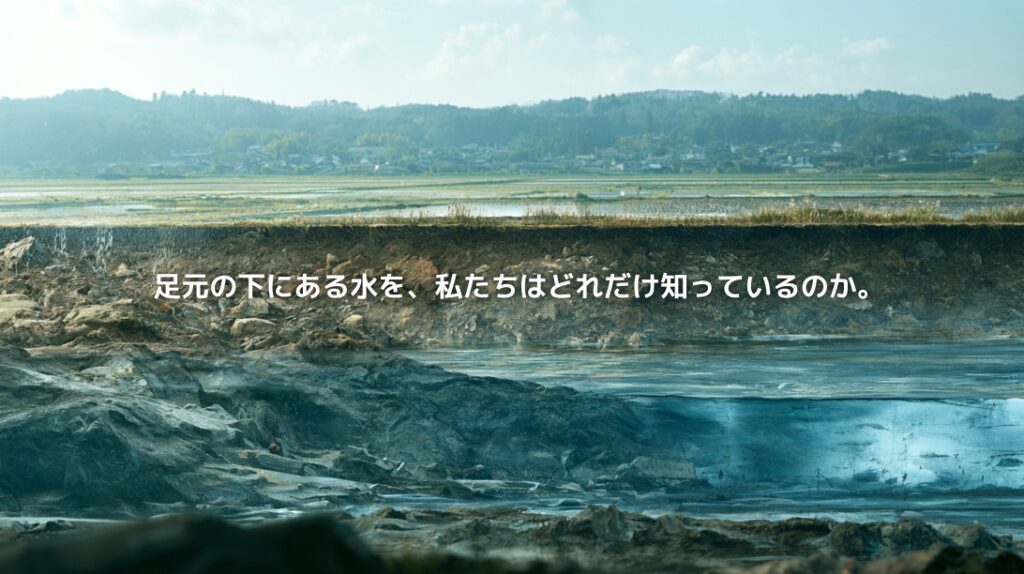
Who Owns Groundwater? The Invisible Water Resource Beneath Our Feet Is Declining
Groundwater quietly supports drinking water, agriculture, industry, ecosystems, and regional culture. Yet overextraction, pollution, urban development, and climate change are disrupting this invisible resource beneath our feet. -
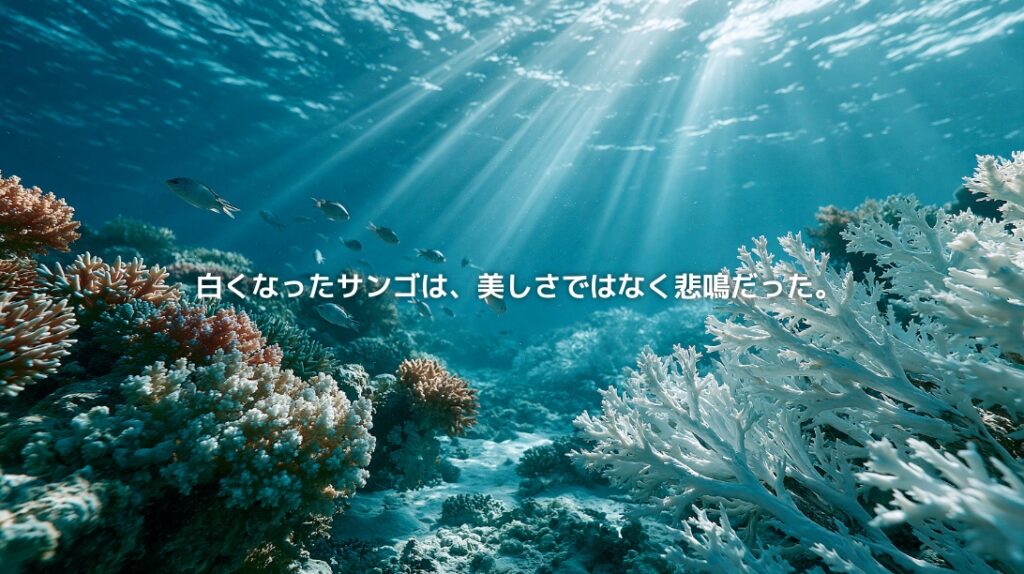
Why Are Coral Reefs Turning White? The Growing Threat of Marine Heatwaves and Coral Bleaching
Coral reefs are turning white as rising ocean temperatures and marine heatwaves place them under severe stress. Coral bleaching threatens not only marine biodiversity but also fisheries, tourism, coastal protection, and island communities. -
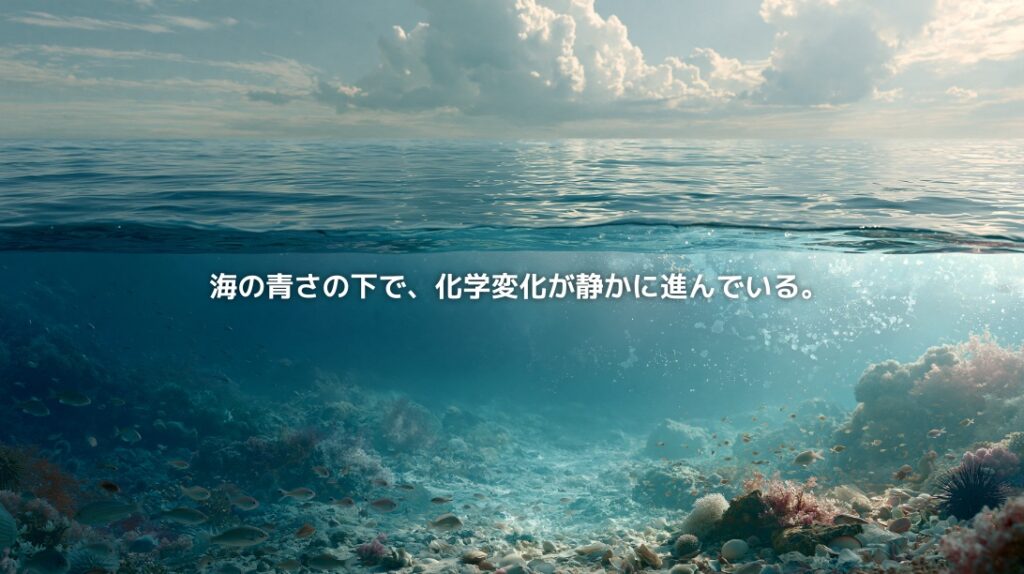
The Ocean Is Absorbing Too Much Carbon Dioxide: The Invisible Crisis of Ocean Acidification
The ocean has absorbed enormous amounts of carbon dioxide, helping slow global warming. But beneath its unchanged blue surface, seawater chemistry is shifting—and marine life is paying the price. -
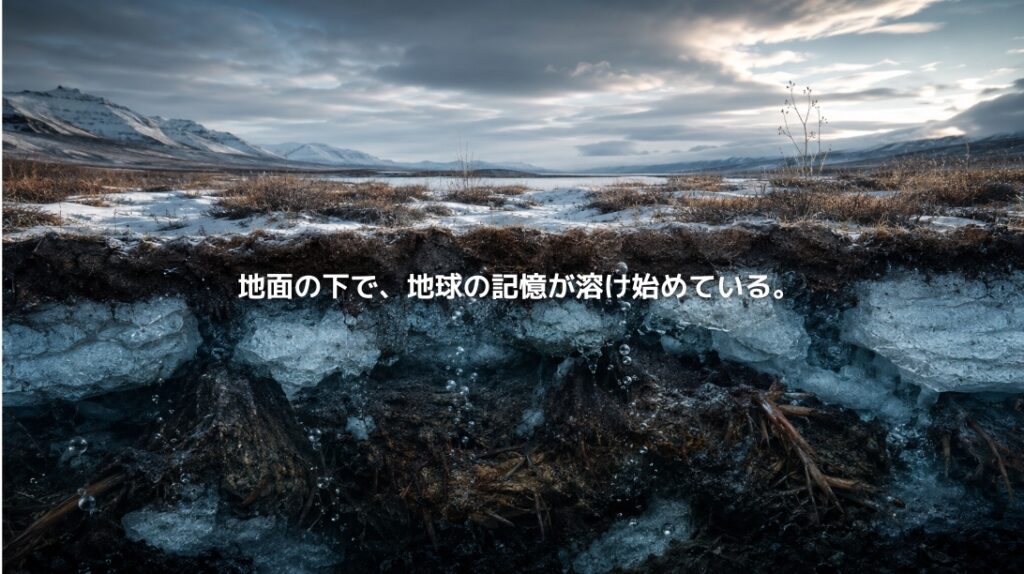
When Permafrost Thaws: The Carbon and Methane Crisis Beneath Our Feet
Permafrost has stored ancient carbon beneath the frozen ground for thousands of years. As the planet warms, thawing soil could release carbon dioxide and methane—turning a consequence of climate change into a new cause of warming. -
Who Bears the Heat?
Urban heat is not experienced equally. Children, older people, outdoor workers, and residents of neighborhoods without trees or cooling spaces often bear the greatest burden. The urban heat island effect reveals not only how cities retain heat, but also whom they are designed to protect. -
Why Do Cities Stay Hot After Sunset? Rethinking Urban Life Through the Heat Island Effect
Japanese cities often remain hot long after sunset. Asphalt, concrete, dense buildings, artificial waste heat, and declining green space all contribute to the urban heat island effect. This article examines why cities struggle to cool down and how shade, water, wind, soil, and green infrastructure can help create safer and more heat-resilient urban environments. -
Street Trees Are Dying in Extreme Heat: How Much More Can Urban Greenery Endure?
Street trees are more than urban decoration. They provide shade, reduce surface temperatures, absorb rainwater, support biodiversity, and protect pedestrians from extreme heat. Yet the trees themselves are being weakened by compacted soil, limited root space, drought, heavy pruning, and rising temperatures. This article examines the role of street trees as living infrastructure and asks whether Japan’s urban greenery can survive a hotter future. -
湖の国は、なぜ水に悩むのか
雨を待つ国から、水を設計する国へ─マラウイが映す気候変動時代の未来 マラウイ。アフリカ南東部にある、内陸の国です。 この国を語るとき、よく使われる言葉があります...


1