Iceland’s water, electricity, and tourism in a changing environment
Environmental Geography of the World | Part 1: Iceland
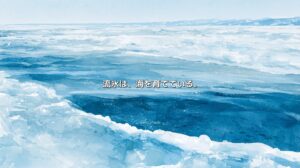
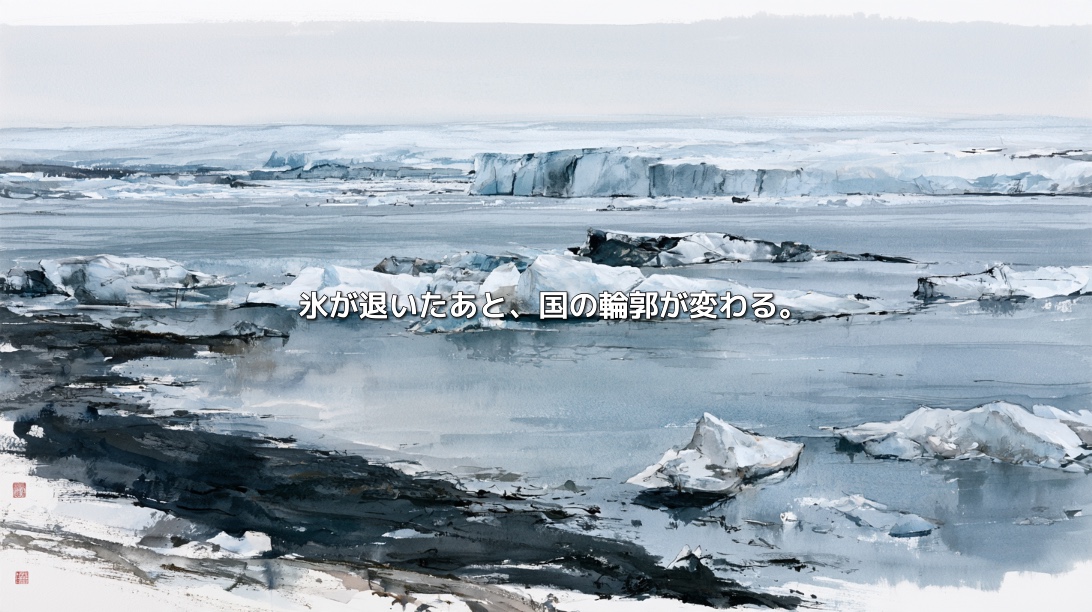
Beyond the black volcanic sand, pale blue ice comes into view.
At Jökulsárlón, a glacial lagoon in southeastern Iceland, icebergs break away from the glacier, drift across the water, and eventually make their way toward the sea.
The scene draws visitors from around the world. Yet the lagoon itself is a landscape formed—and continually reshaped—by glacial retreat. As the ice withdraws, new ground emerges and glacier-fed rivers change their courses.
It is natural to find this beautiful.
But after taking the photograph, another question deserves to remain.
As the glaciers grow smaller, what else changes in this country?
A Glacier Holds the Memory of Winter
A glacier takes shape through the balance between snow accumulated during winter and snow and ice lost during warmer months.
Winter snowfall is a reserve carried into the following summer. A hot summer matters, but so does a winter when precipitation arrives as rain instead of snow.
Joint observations by Icelandic scientific institutions found that the country’s glaciers lost more than 15 billion tonnes of ice during the 2024–2025 glacier year. Vatnajökull alone accounted for nearly 11 billion tonnes.
The researchers identified unusually warm autumn and winter conditions, which brought rain rather than snow, followed by one of the warmest summers on record, as major factors.
The phrase “melting glaciers” brings summer sunshine to mind.
But water that never became winter snow also shapes the glacier’s future.
Glacial change begins with a balance between seasons that no longer holds.
Where Ice Withdraws, Another Landscape Appears
Iceland’s glaciers no longer retain their former outlines.
According to Vatnajökull National Park, they have lost more than 2,100 square kilometers—approximately 17 percent—of their area since reaching their maximum extent near the end of the nineteenth century.
At their margins, lakes form or expand. Water follows new routes.
Glacial retreat cannot be understood simply as a shrinking patch of white on a map.
Ground once covered by ice becomes exposed. Shorelines move. River channels shift. Places that were once the glacier’s edge become places people walk through, look across, study, and manage.
Around Jökulsárlón, glacier-shaped terrain and coastal environments provide wildlife habitat while also serving as destinations for research and tourism.
Beside a disappearing landscape, another landscape emerges.
Yet describing an expanding lagoon as a newly created attraction leaves part of the story untold. Its growth accompanies the loss of ice accumulated over many years.
Glacial Water Also Becomes Electricity
Geothermal energy and hydropower are central to Iceland’s energy system.
The European Environment Agency reports that 99.9 percent of Iceland’s electricity production came from renewable sources in 2022.
Fossil fuels nevertheless remain in use, including in transport and fishing. A highly renewable electricity supply does not mean that all energy use has moved beyond fossil fuels.
Through hydropower, glaciers become connected to industrial life.
At Landsvirkjun’s Fljótsdalur Power Station, water travels from reservoirs in the highlands north of Vatnajökull through a tunnel system approximately 72 kilometers long. The electricity generated helps supply industry.
Shrinking glaciers do not mean that hydropower immediately runs out of water. During periods of increased melting, runoff can rise. The effects also depend on rainfall, snowfall, seasonal timing, and reservoir operations.
Nevertheless, changes within glacier-fed catchments affect decisions about when water will be available and how much can be used.
Monitoring glacier mass balance therefore has practical value for water management, hydropower planning, and understanding natural hazards.
Industries that depend on nature must plan for the possibility that its patterns will change.
The Desire to See the Ice Also Changes the Region
Glacial lagoons and ice caves have become defining destinations in Iceland.
Vatnajökull National Park identifies Jökulsárlón and nearby Fjallsárlón among the country’s popular visitor attractions. Welcoming people requires roads, parking, information, and safety management.
A visit can make environmental change tangible. It can bring a distant process into view.
But receiving visitors also requires communities and operators to respond to shifting terrain and conditions. Glacier tours depend on assessments of the places people will enter, supported by appropriate safety planning.
There is a complicated relationship here.
A changing glacier can deepen people’s desire to see it. Their visits create work and opportunities to explain the landscape. Yet a tourism economy built around moving ice cannot assume that a place accessible yesterday will remain accessible tomorrow.
How should that landscape be presented?
As a spectacle to see before it disappears? Or as an opportunity to understand change and reconsider our relationship with the land?
The question concerns how visitors learn to see the place, as well as how many arrive.
A Lost Glacier Changes Our Sense of Time
In western Iceland, Ok once existed as a glacier.
By 2014, it had lost its glacier status, leaving remnants of snow and ice where a moving body of ice had once been.
The disappearance of a glacier can sound like a prediction about a distant future. Ok brings that change into the present—into maps, place names, and memory.
Larger glaciers do not necessarily respond at the same pace.
Their size, shape, slope, and underlying terrain influence how they react to changing temperature and precipitation. Small, steep valley glaciers and larger ice masses can reveal those effects over different timescales.
A glacier that appears little changed this year may still be responding to warmth from earlier decades.
Its present shape carries the influence of past climates, even as it helps form the terrain of the future.
Seeing Iceland Through More Than Its Ice
Iceland’s environmental changes can be reduced to a sentence: warming temperatures are shrinking its glaciers.
But that sentence leaves much of the country out of view.
Glacial change reshapes lakes and rivers. It alters conditions relevant to hydropower. It changes the landscapes travelers seek and the ways communities welcome them. As familiar places change, it also enters people’s memories.
In Iceland, nature supplies water, supports work, attracts visitors, and sometimes requires plans to be reconsidered.
A single iceberg floating across a lagoon can lead us toward all these relationships.
Beyond it lie decisions about managing rivers, generating electricity, and sustaining tourism as the ground itself changes.
What appears after the ice retreats?
New ground, certainly.
And, gradually, the choices of the people who must build their future alongside it.
EDITOR’S NOTE — NEOTERRAIN
A photograph can hold a glacier still. The glacier itself continues to move, melt, and respond to the seasons.
To understand its retreat, we need to follow the water beyond the frame: toward a river, a reservoir, a power station, a place where people work.
Beauty can begin that journey of attention.
What matters is whether we keep looking after the photograph has been taken.
References
- Icelandic Meteorological Office — Iceland’s Glaciers Lost More Than 15 Billion Tonnes in 2024–2025 (Icelandic)
- Vatnajökull National Park — Climate Change and Glaciers
- Vatnajökull National Park — Melting Glaciers
- European Environment Agency — Iceland: Renewable Energy Sources, Europe’s Environment 2025
- Landsvirkjun — Fljótsdalur Power Station