

-

Whose Pollution Is the Arsenic Underground? Geogenic Heavy Metals Unearthed by Tunnel Construction
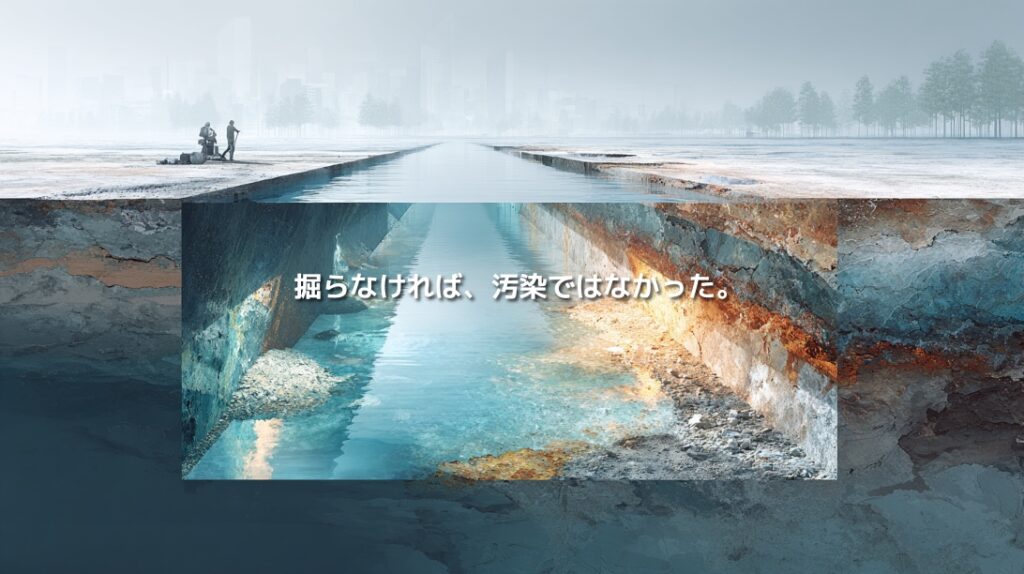
Arsenic can exist naturally in geological formations without causing visible harm. But excavation, oxidation, rainwater, and transportation can make it mobile. This article explores how tunnel construction transforms dormant geology into a human responsibility. -
Where Do Cities Send Their Excavated Soil? The “Development Debt” Shifted to Mountains and Valleys
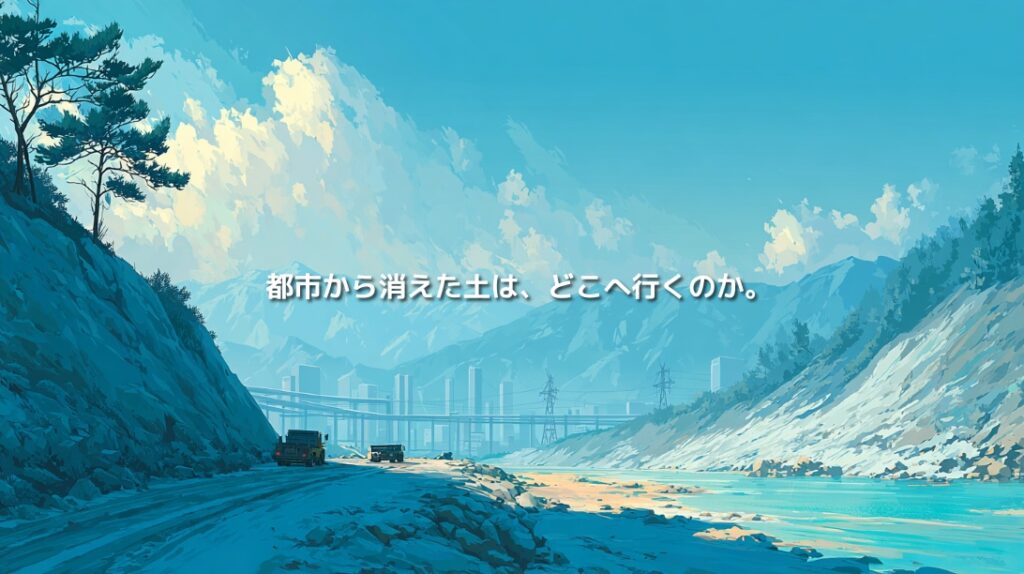
Construction-generated soil disappears from urban construction sites, but it does not disappear from the planet. This article examines how cities transfer excavated soil—and the environmental risks and long-term responsibilities attached to it—to mountains, valleys, and rural communities. -
英語圏の読者にも自然に伝わるよう、直訳ではなく論説記事として整えています。
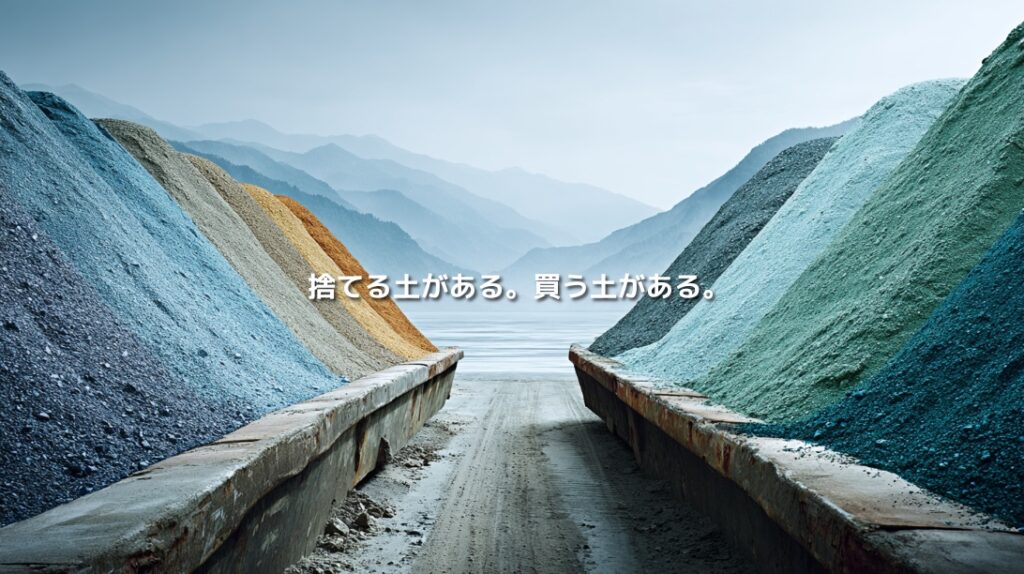
Construction-generated soil can become a valuable regional resource, yet mismatches in quality, quantity, timing, and distance often prevent its reuse. This article examines the fragmented system behind soil circulation in Japan—and why development must account for the future of the ground it excavates. -
Build and Scrap: How Japan’s Rapid Economic Growth Built Cities and Eroded Nature
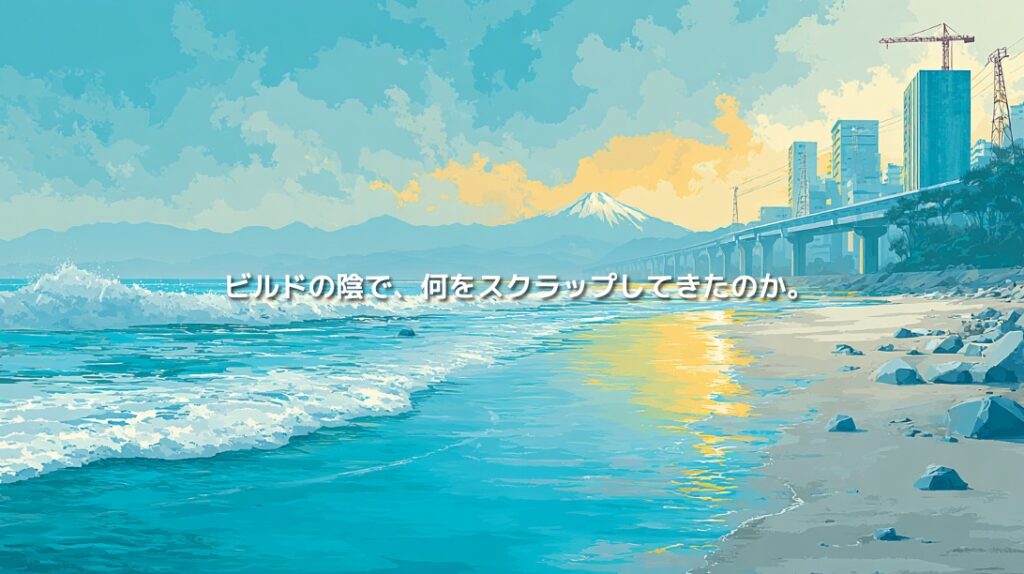
Gravel extracted from the Abe River helped build postwar Japan, but the resulting loss of sediment accelerated erosion along the Shizuoka and Shimizu coasts. This article examines how urban growth transferred environmental costs to rivers and beaches—and what the experience teaches us about natural capital and sustainable development. -
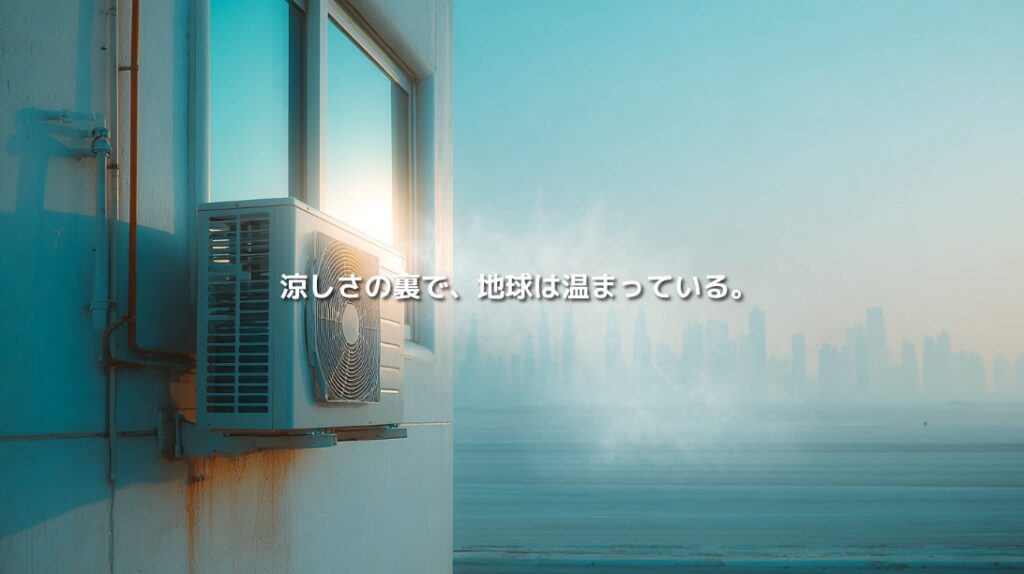
Cooling Our Rooms While Warming the Planet: The Invisible Problem of HFC Refrigerants
Air conditioning protects people from dangerous heat, but many systems contain HFC refrigerants with global warming effects hundreds or thousands of times greater than carbon dioxide. How can society provide essential cooling without intensifying climate change? -
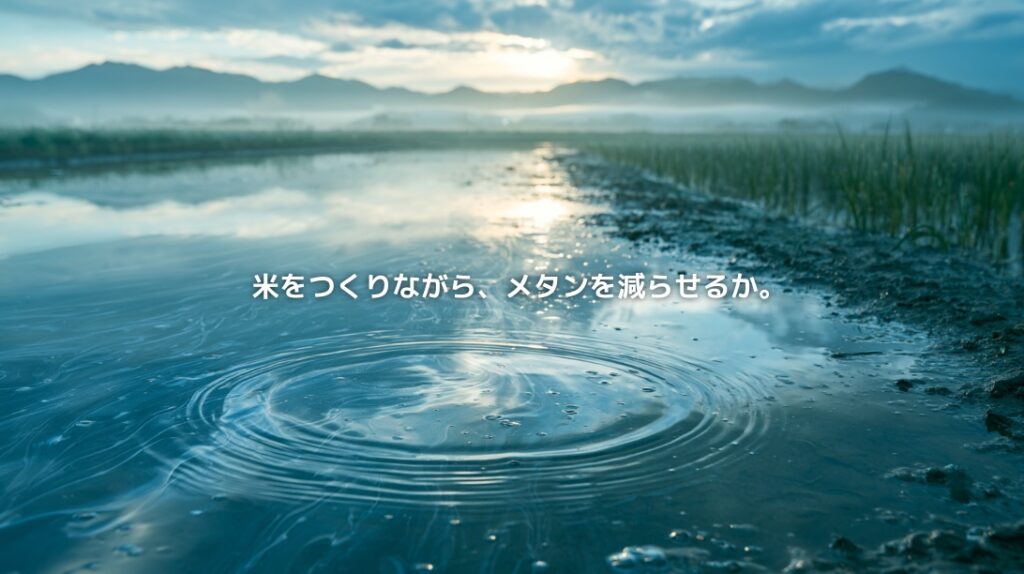
Do Rice Paddies Emit Greenhouse Gases? The Current State of Methane Reduction in Rice Farming
Methane from rice paddies accounts for approximately 40 percent of Japan’s methane emissions. Extending midseason drainage can reduce emissions by around 30 percent, but crop yields, biodiversity, food safety, and farmers’ workloads must also be considered. -
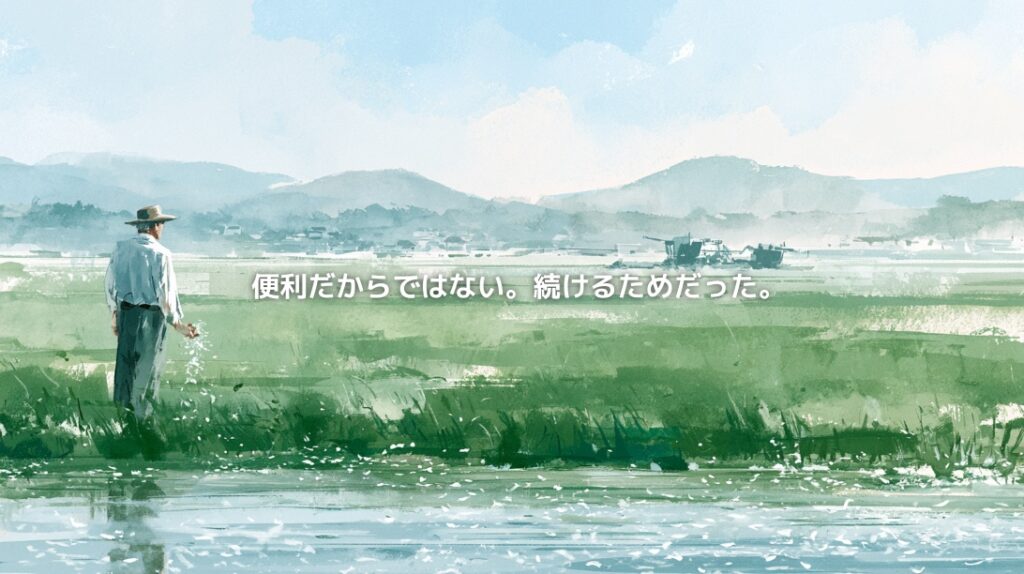
Why Did Japanese Rice Farming Become Dependent on Plastic? The Cost of Labor-Saving Coated Fertilizers
Plastic-coated fertilizers helped Japanese farmers reduce physically demanding summer work and manage larger areas with fewer people. But the empty plastic shells can leave rice paddies and reach the sea. Why did Japanese rice farming become dependent on this technology? -
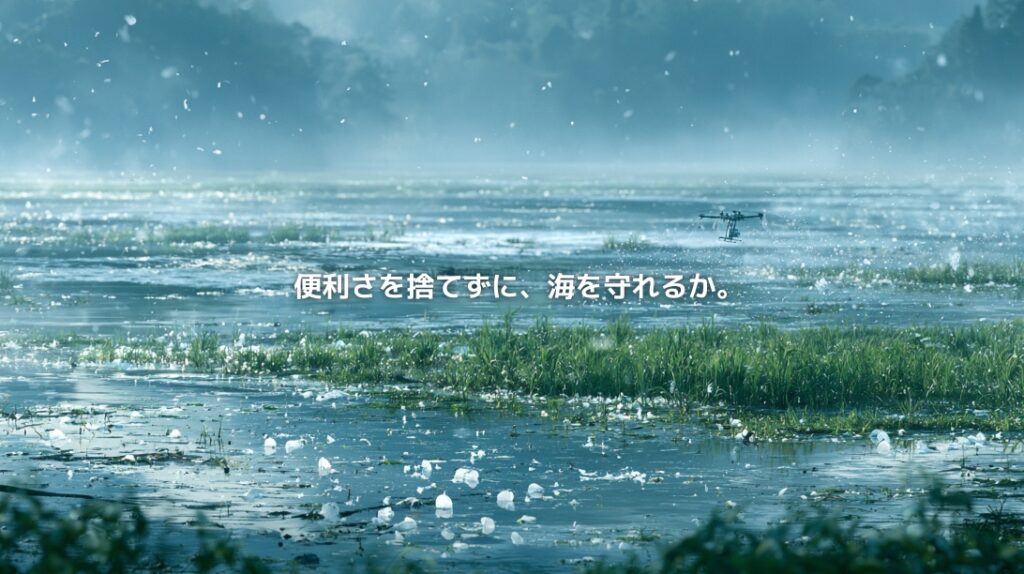
Can Fertilizer Work Without Plastic? Balancing Labor-Saving Agriculture with Environmental Protection
Plastic-coated fertilizers reduce labor for rice farmers, but their empty shells can escape from paddies and travel through rivers to the sea. Can plastic-free fertilizers, drones, and biodegradable materials protect the environment without increasing farmers’ workloads? -
Where Did the PFAS Come From? Why the Source of Groundwater Contamination Is So Difficult to Identify
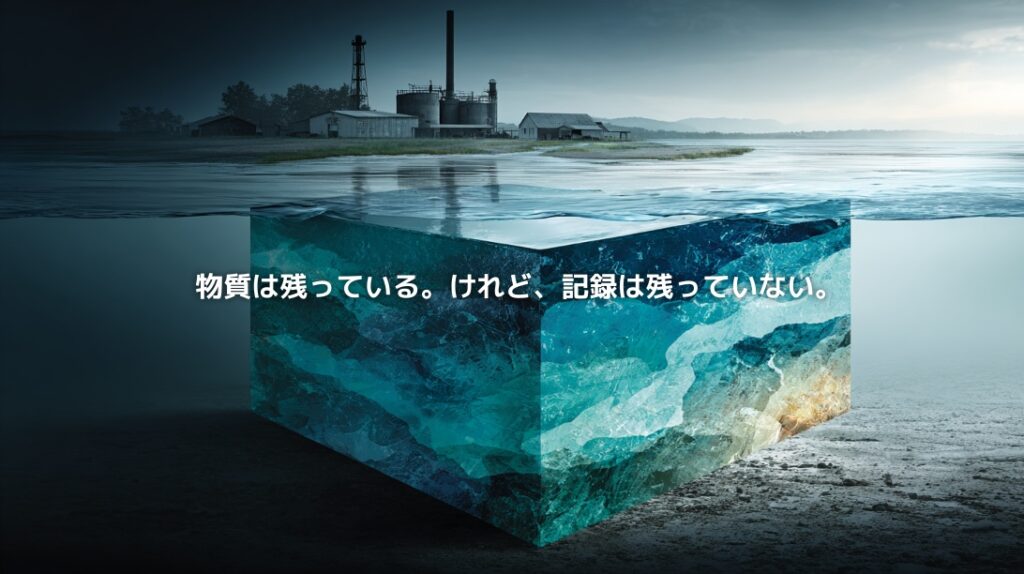
PFAS has been detected in groundwater, but identifying its source is rarely straightforward. Complex underground flows, multiple release points, and missing historical records make the chain of responsibility difficult to reconstruct. -
Water Is Connected Underground: The PFAS Contamination Spreading Through Japan’s Groundwater
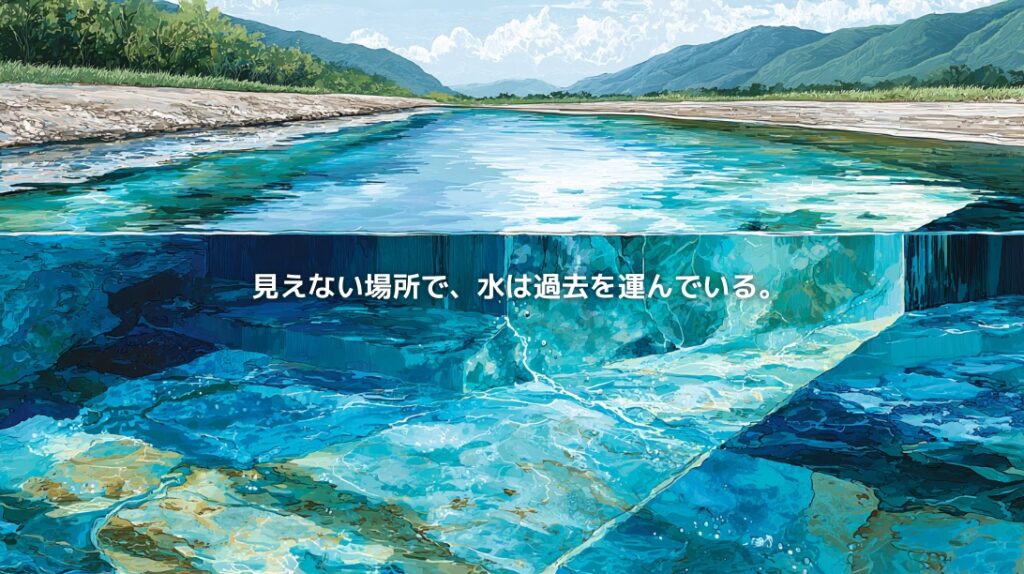
PFAS compounds are being detected in rivers and groundwater across Japan. Known as “forever chemicals,” they cross administrative boundaries and remain in the environment for decades. What does this invisible contamination mean for drinking water, public health, and society’s responsibility for past industrial activity? -
Designing Cities to Stay Cool
Cities do not have to keep storing heat. Shade, mature trees, water-retentive ground, wind corridors, efficient buildings, and cooling shelters can help create safer urban environments designed around everyday life. -
Who Bears the Heat?
Urban heat is not experienced equally. Children, older people, outdoor workers, and residents of neighborhoods without trees or cooling spaces often bear the greatest burden. The urban heat island effect reveals not only how cities retain heat, but also whom they are designed to protect. -
Why Do Cities Stay Hot After Sunset? Rethinking Urban Life Through the Heat Island Effect
Japanese cities often remain hot long after sunset. Asphalt, concrete, dense buildings, artificial waste heat, and declining green space all contribute to the urban heat island effect. This article examines why cities struggle to cool down and how shade, water, wind, soil, and green infrastructure can help create safer and more heat-resilient urban environments. -
Street Trees Are Dying in Extreme Heat: How Much More Can Urban Greenery Endure?
Street trees are more than urban decoration. They provide shade, reduce surface temperatures, absorb rainwater, support biodiversity, and protect pedestrians from extreme heat. Yet the trees themselves are being weakened by compacted soil, limited root space, drought, heavy pruning, and rising temperatures. This article examines the role of street trees as living infrastructure and asks whether Japan’s urban greenery can survive a hotter future. -
What Is 30by30? Protecting Nature Beyond National Parks
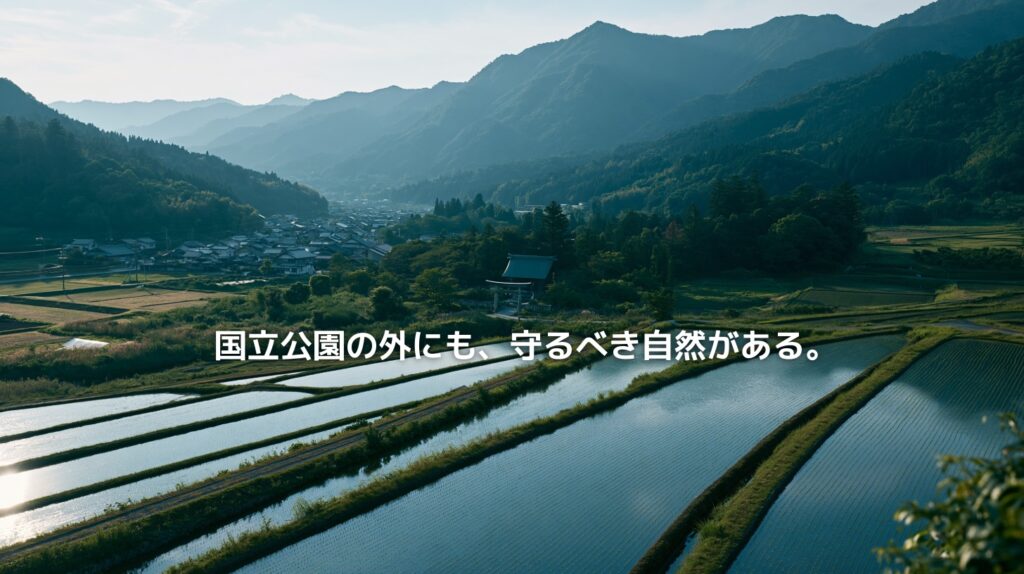
30by30 aims to conserve at least 30 percent of the world’s land and sea by 2030. In Japan, OECMs and Sites Coexisting with Nature are expanding conservation beyond national parks and into everyday landscapes. -
Why Are Bears Appearing in Towns?
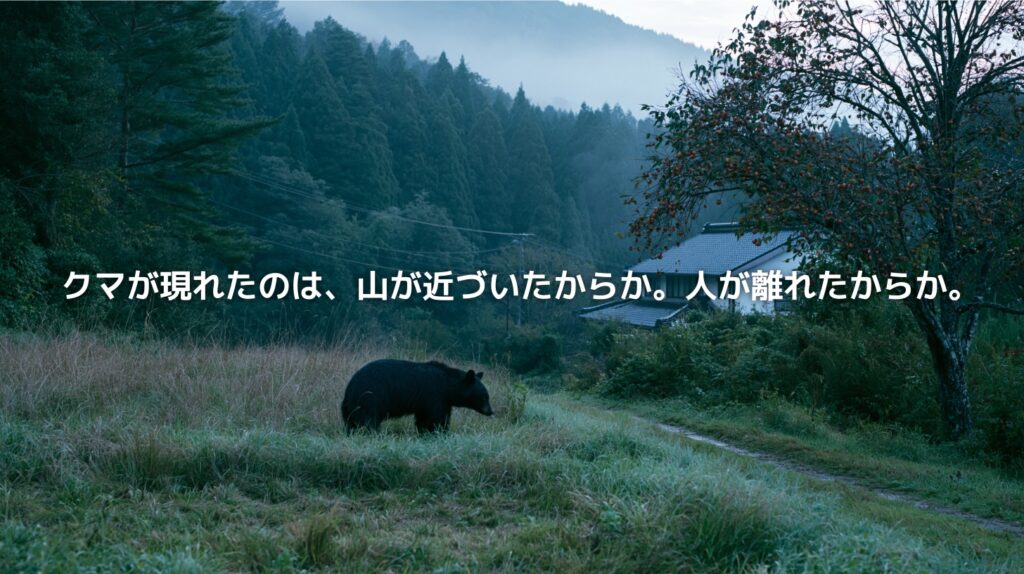
Why are bears increasingly appearing near homes, schools, and farmland in Japan? Behind these encounters lies a deeper transformation: rural depopulation, abandoned fields, neglected fruit trees, and the disappearance of satoyama—the traditional boundary between human communities and the mountains.


1