

-

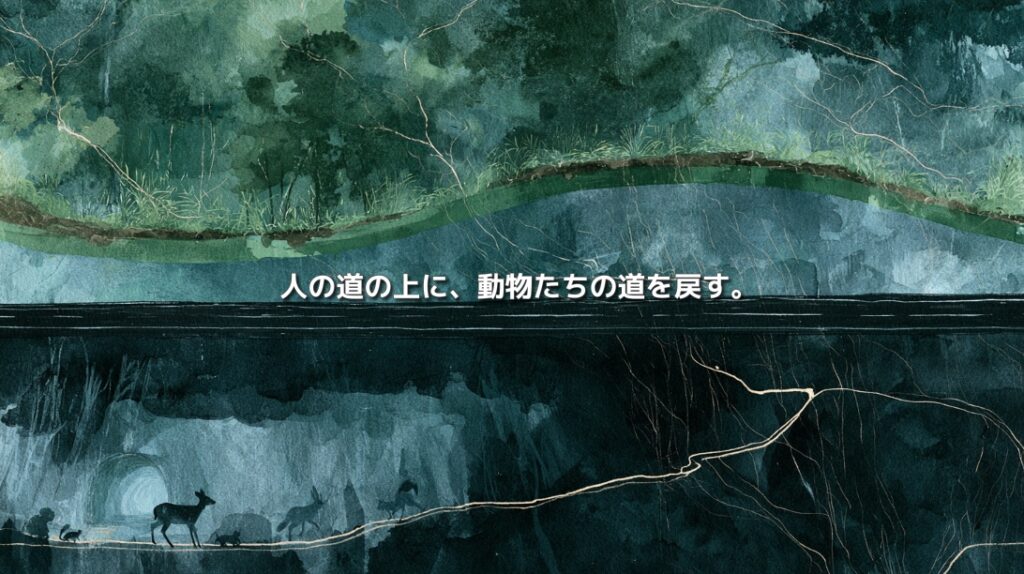
Building Roads for Wildlife: Can Animal Paths and Wildlife Crossings Reconnect Fragmented Ecosystems?
Roads support human movement but often divide the habitats wildlife need to survive. This article explores how tunnels, green bridges, canopy ropes, fencing, and long-term monitoring can reduce roadkill and restore ecological connectivity. -
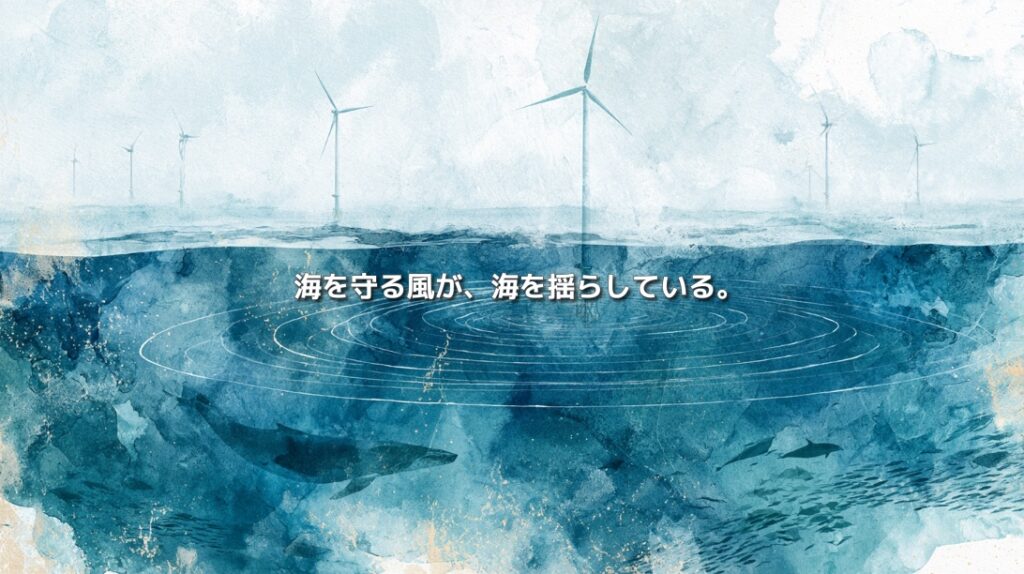
Can Renewable Energy Protect the Ocean? Offshore Wind, Underwater Noise, and Marine Ecosystems
Offshore wind power is essential to the energy transition, but its construction and operation can alter underwater soundscapes. This article examines the effects of underwater noise on marine life and the measures needed to balance renewable energy development with ocean conservation. -
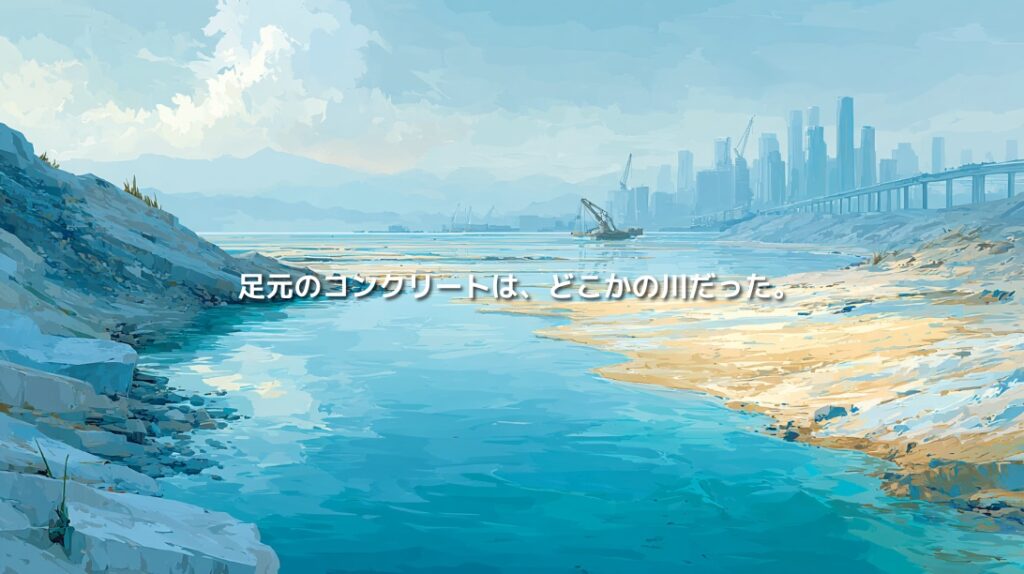
Where Does the Sand Beneath Our Cities Come From? Construction, Coastal Erosion, and the Global Sand Crisis
Cities depend on enormous quantities of sand and gravel for concrete, roads, and infrastructure. This article explores how construction demand is reshaping rivers and seabeds, accelerating coastal erosion, damaging ecosystems, and creating a global need for sustainable sand management. -
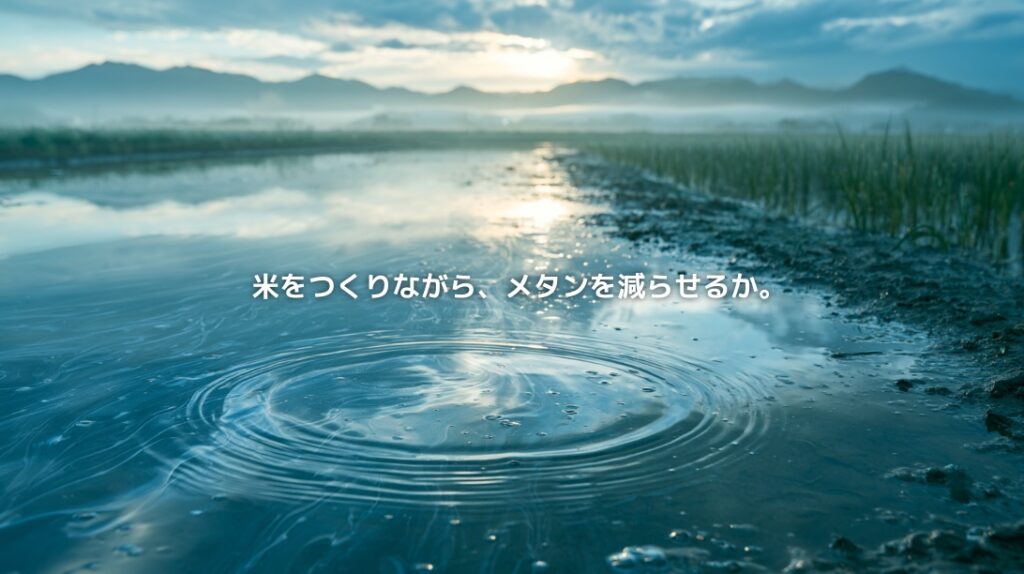
Do Rice Paddies Emit Greenhouse Gases? The Current State of Methane Reduction in Rice Farming
Methane from rice paddies accounts for approximately 40 percent of Japan’s methane emissions. Extending midseason drainage can reduce emissions by around 30 percent, but crop yields, biodiversity, food safety, and farmers’ workloads must also be considered. -
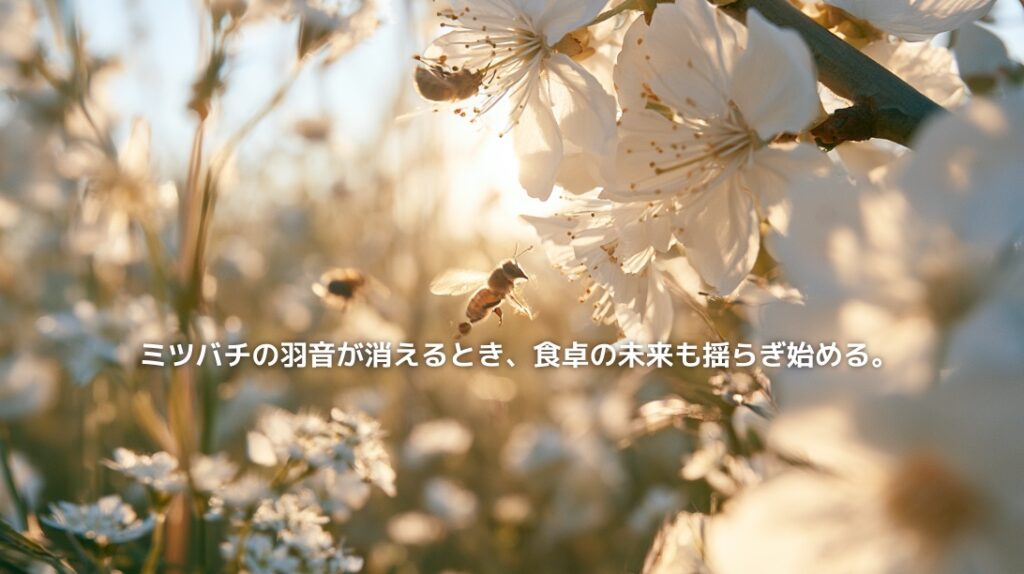
When Bees Disappear: The Crisis Facing the Tiny Pollinators That Sustain Our World
Bees and other pollinators connect flowers, produce harvests, and support entire ecosystems. Yet habitat loss, pesticides, climate change, invasive species, and flower-poor landscapes are threatening their future. -
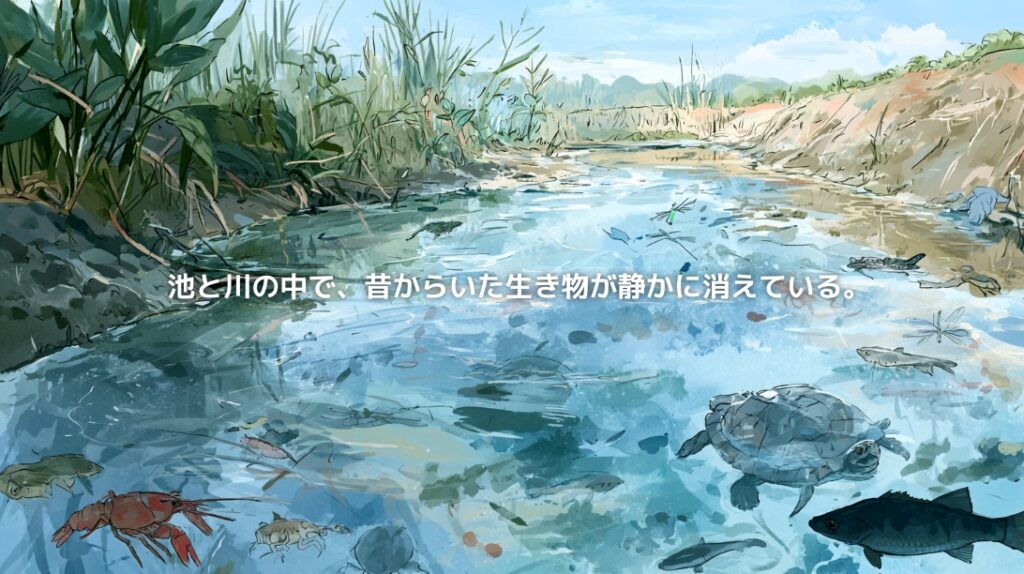
Why Are Invasive Species Increasing? The Day Native Species Disappear from Our Ponds and Rivers
Invasive species are quietly changing ponds, rivers, rice fields, and irrigation channels across Japan. But the problem is not simply about foreign organisms—it reflects how human society moves, sells, keeps, and releases other forms of life. -
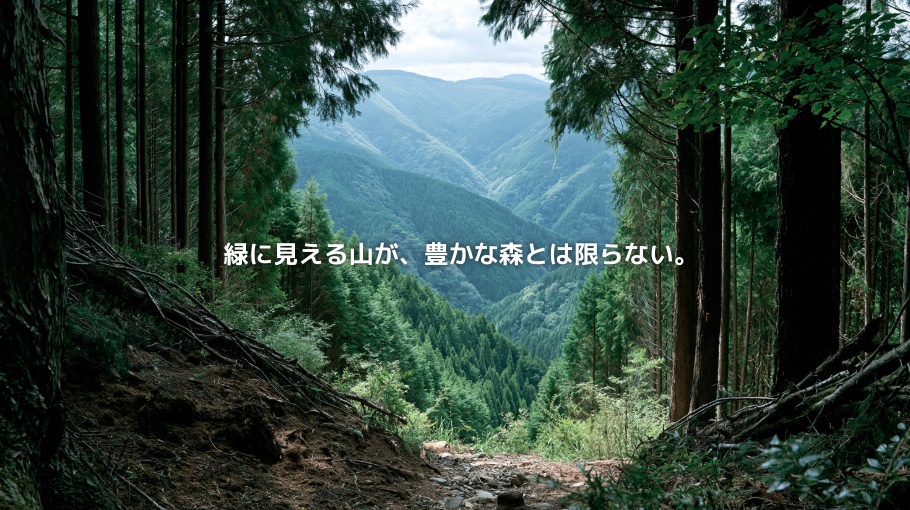
Japan Is Covered in Forests—So Why Are Its Mountains Growing Weaker?
Forests cover roughly two-thirds of Japan, yet many of its mountains are quietly growing weaker. Neglected plantation forests, a declining forestry workforce, expanding deer populations, and disappearing understory vegetation are changing the relationship between forests, water, soil, and communities. -
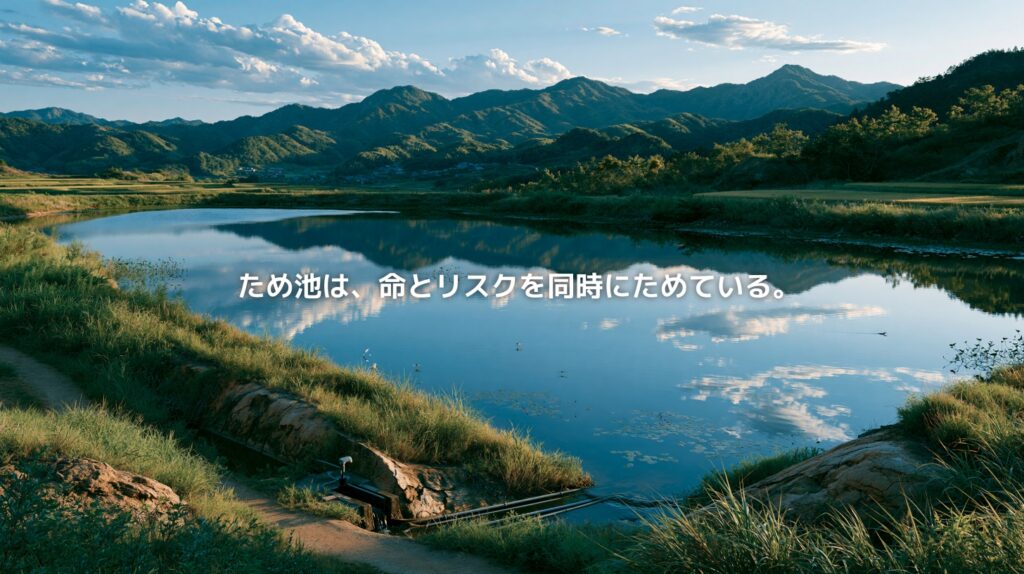
Why Have Japan’s Irrigation Ponds Become Dangerous?
Japan’s irrigation ponds have supported rice farming, wildlife, and rural communities for centuries. Today, aging infrastructure, fewer managers, and heavier rainfall are turning these familiar waterscapes into growing disaster risks. -
Street Trees Are Dying in Extreme Heat: How Much More Can Urban Greenery Endure?
Street trees are more than urban decoration. They provide shade, reduce surface temperatures, absorb rainwater, support biodiversity, and protect pedestrians from extreme heat. Yet the trees themselves are being weakened by compacted soil, limited root space, drought, heavy pruning, and rising temperatures. This article examines the role of street trees as living infrastructure and asks whether Japan’s urban greenery can survive a hotter future. -
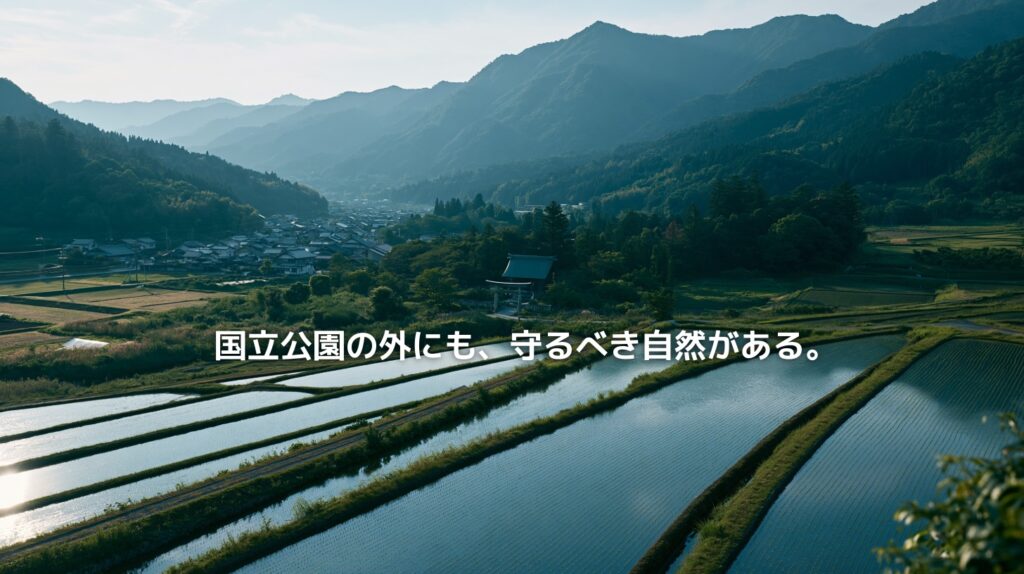
What Is 30by30? Protecting Nature Beyond National Parks
30by30 aims to conserve at least 30 percent of the world’s land and sea by 2030. In Japan, OECMs and Sites Coexisting with Nature are expanding conservation beyond national parks and into everyday landscapes.

1