

-

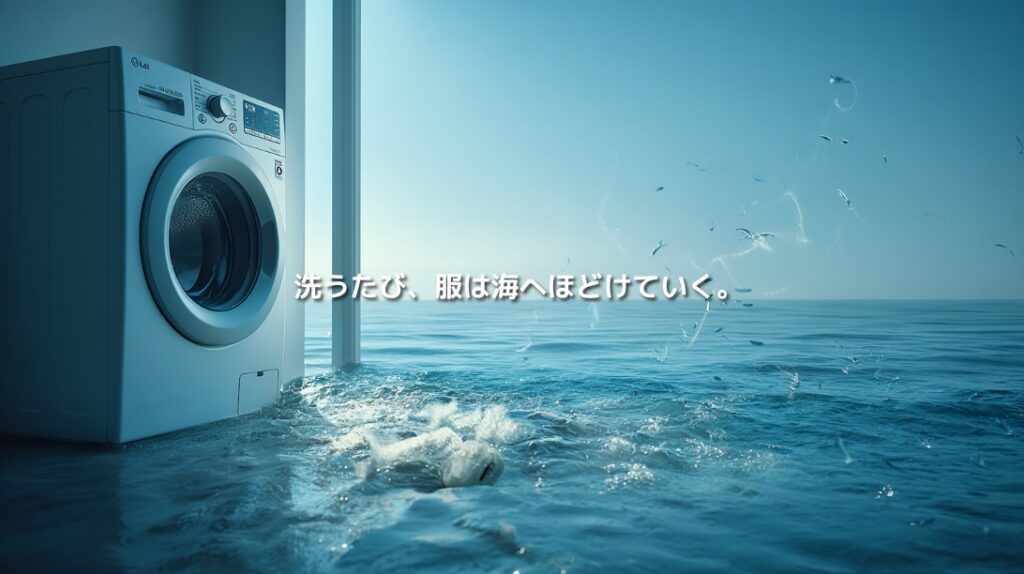
With Every Wash, Our Clothes Unravel into the Sea: The Invisible Environmental Problem of Clothing Microfibers
Every time synthetic clothing is washed, invisible plastic fibers may enter wastewater and eventually reach rivers and oceans. This article explores how clothing microfibers spread through the environment—and what manufacturers, governments, and households can do to reduce them. -
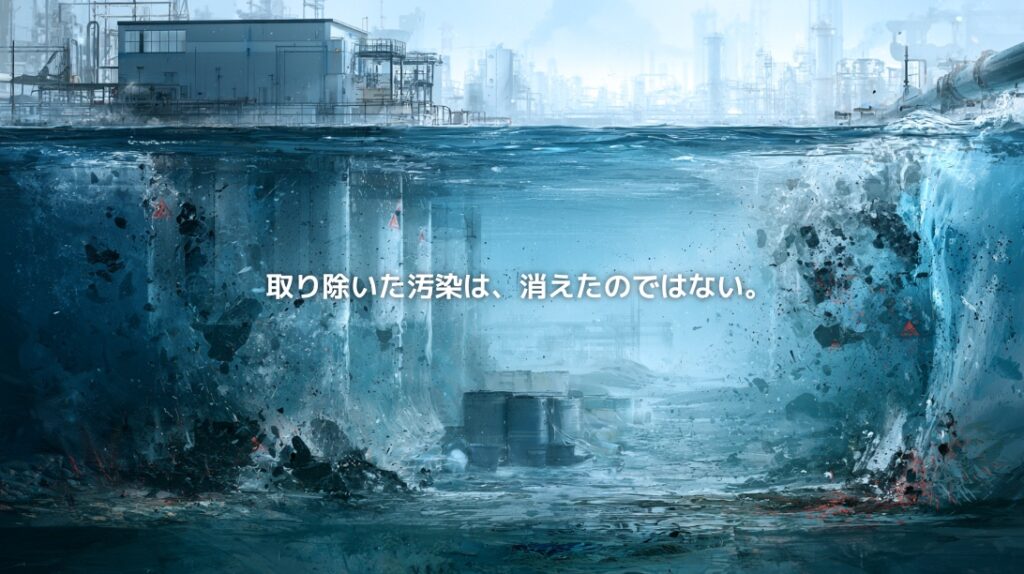
Where Does PFAS Go After It Is Removed from Water? The “Concentrated Pollution” Left Behind by Water Treatment
Removing PFAS from drinking water does not destroy it. The contamination moves into spent activated carbon, resins, foam, or concentrated wastewater—creating new challenges involving destruction, disposal, monitoring, and long-term costs. -
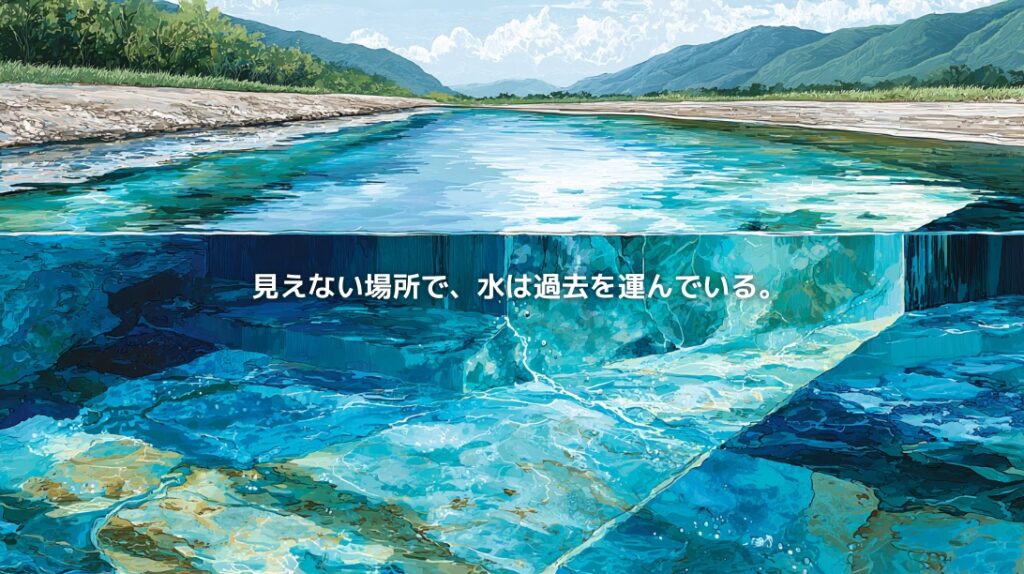
Water Is Connected Underground: The PFAS Contamination Spreading Through Japan’s Groundwater
PFAS compounds are being detected in rivers and groundwater across Japan. Known as “forever chemicals,” they cross administrative boundaries and remain in the environment for decades. What does this invisible contamination mean for drinking water, public health, and society’s responsibility for past industrial activity? -
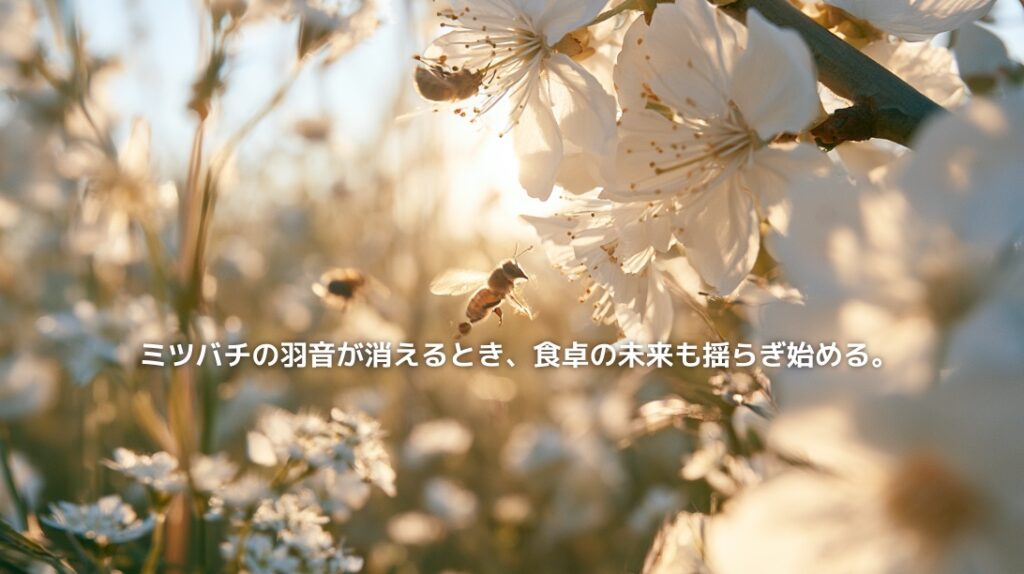
When Bees Disappear: The Crisis Facing the Tiny Pollinators That Sustain Our World
Bees and other pollinators connect flowers, produce harvests, and support entire ecosystems. Yet habitat loss, pesticides, climate change, invasive species, and flower-poor landscapes are threatening their future. -
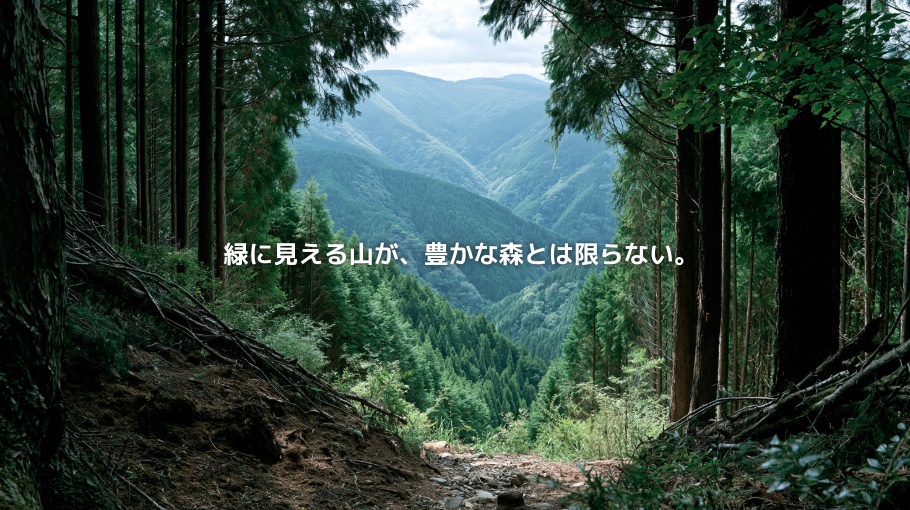
Japan Is Covered in Forests—So Why Are Its Mountains Growing Weaker?
Forests cover roughly two-thirds of Japan, yet many of its mountains are quietly growing weaker. Neglected plantation forests, a declining forestry workforce, expanding deer populations, and disappearing understory vegetation are changing the relationship between forests, water, soil, and communities. -
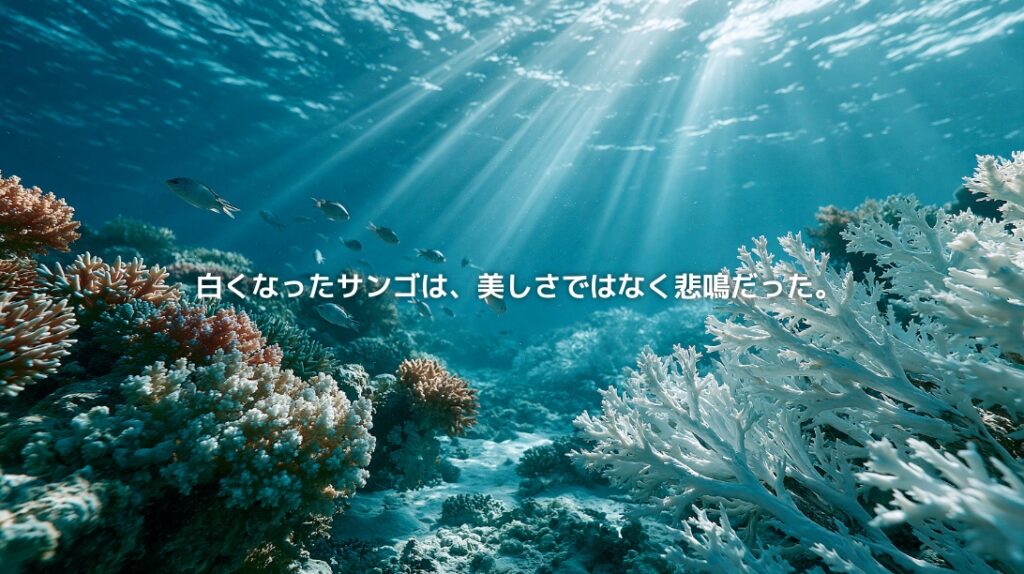
Why Are Coral Reefs Turning White? The Growing Threat of Marine Heatwaves and Coral Bleaching
Coral reefs are turning white as rising ocean temperatures and marine heatwaves place them under severe stress. Coral bleaching threatens not only marine biodiversity but also fisheries, tourism, coastal protection, and island communities. -
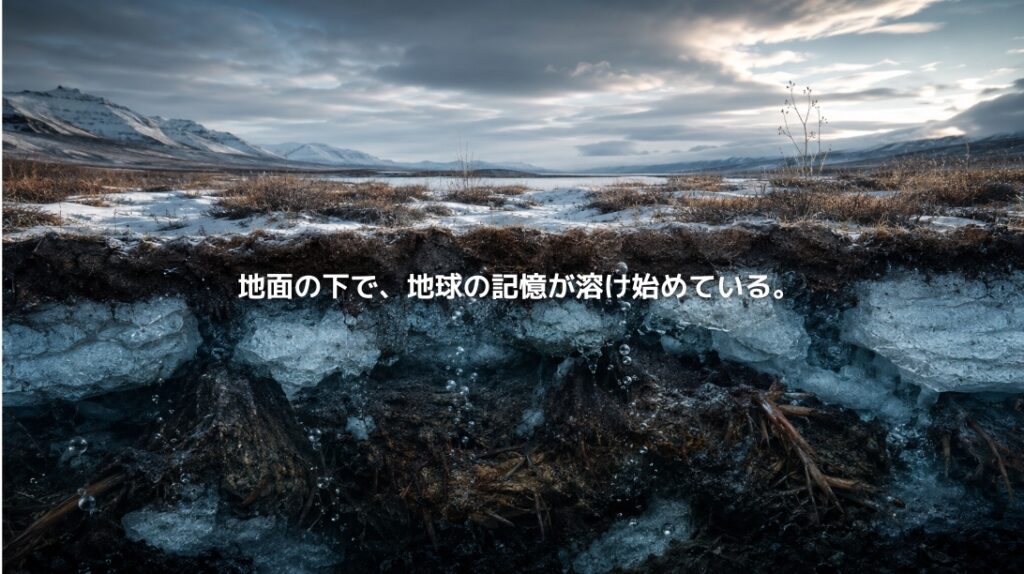
When Permafrost Thaws: The Carbon and Methane Crisis Beneath Our Feet
Permafrost has stored ancient carbon beneath the frozen ground for thousands of years. As the planet warms, thawing soil could release carbon dioxide and methane—turning a consequence of climate change into a new cause of warming. -
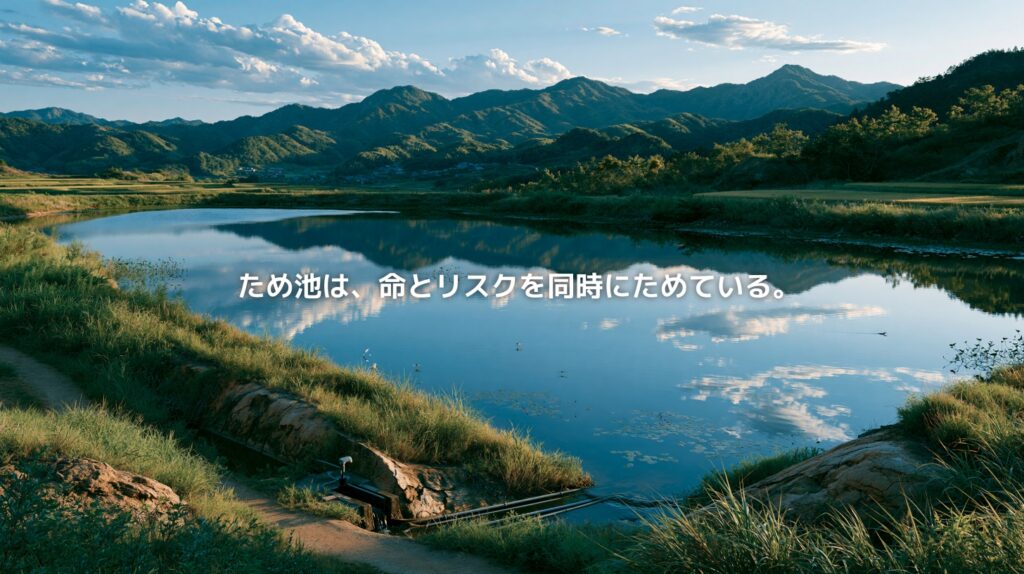
Why Have Japan’s Irrigation Ponds Become Dangerous?
Japan’s irrigation ponds have supported rice farming, wildlife, and rural communities for centuries. Today, aging infrastructure, fewer managers, and heavier rainfall are turning these familiar waterscapes into growing disaster risks. -
Plastic Flowing From Rice Fields to the Sea
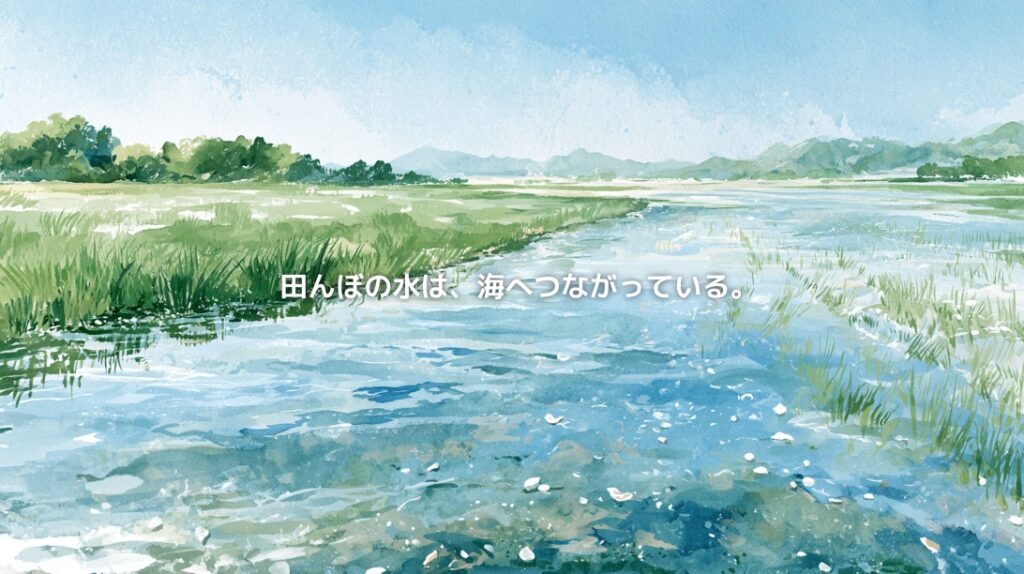
Plastic-coated fertilizers help Japanese farmers reduce labor and use nutrients efficiently. But after the fertilizer dissolves, tiny plastic shells can escape from rice fields, travel through rivers, and eventually reach the sea. -
Why Are Bears Appearing in Towns?
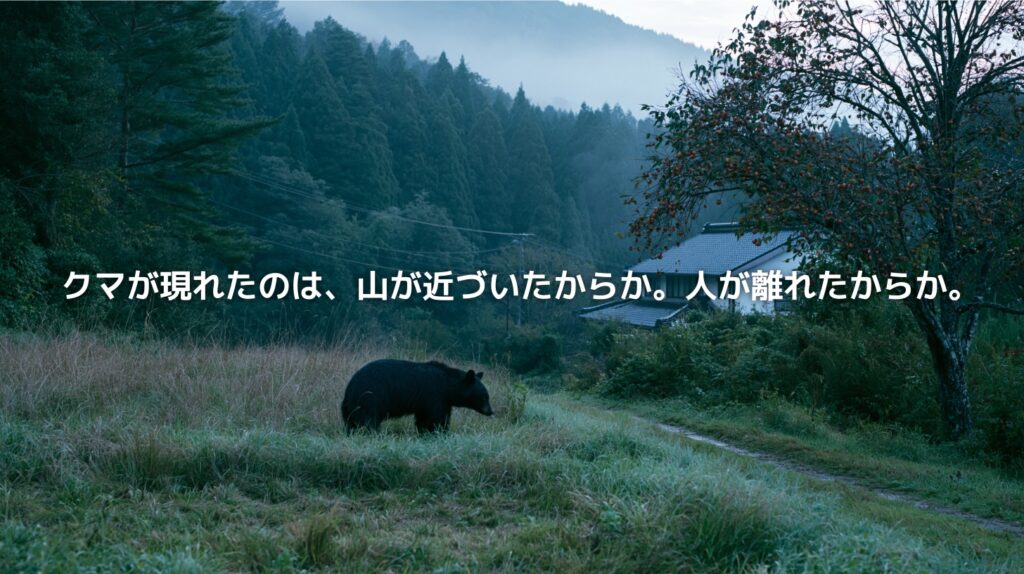
Why are bears increasingly appearing near homes, schools, and farmland in Japan? Behind these encounters lies a deeper transformation: rural depopulation, abandoned fields, neglected fruit trees, and the disappearance of satoyama—the traditional boundary between human communities and the mountains. -
湖の国は、なぜ水に悩むのか
雨を待つ国から、水を設計する国へ─マラウイが映す気候変動時代の未来 マラウイ。アフリカ南東部にある、内陸の国です。 この国を語るとき、よく使われる言葉があります...

1