

-

Why Cities Cannot Stay Safe by Draining Water Away
Modern cities move rainwater away as quickly as possible. Sponge cities take a different approach: making room for water through wetlands, rain gardens, and green spaces. Discover how this approach supports urban flood resilience—and why drainage infrastructure remains essential. -
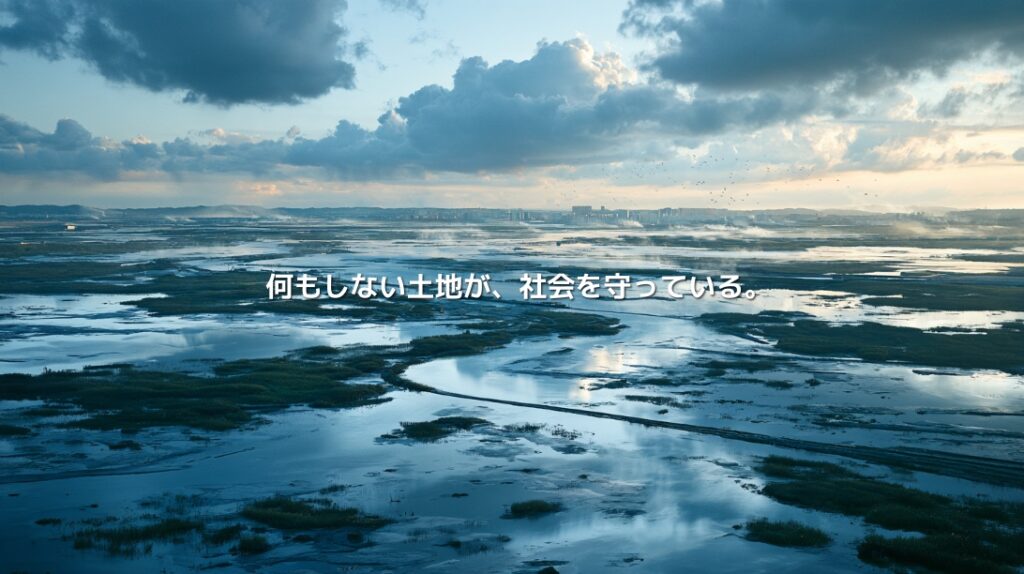
Wetland Restoration as Green Infrastructure: Making Room for Water, Carbon and Life
Wetland restoration strengthens the natural systems that support everyday life. Explore how making room for water can reduce flood risks, improve water quality, protect carbon stores and sustain local communities. -
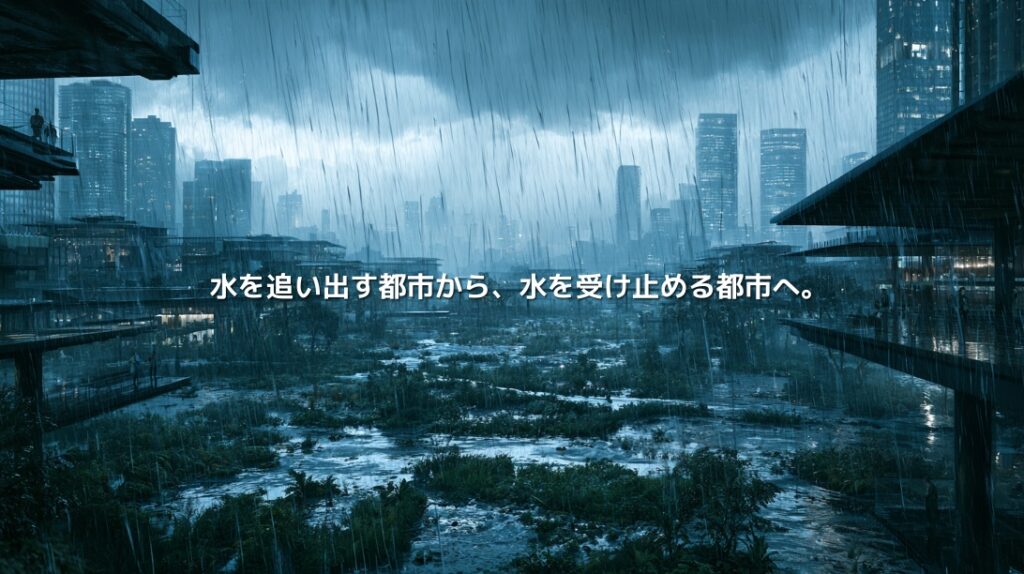
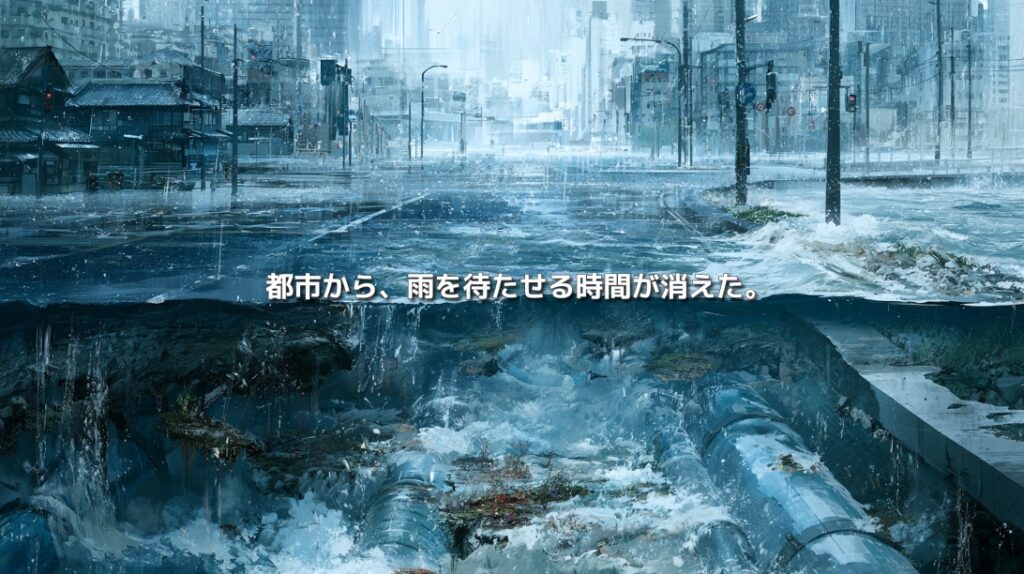
Why Cities Built to Drain Rain Quickly Become Vulnerable to Flooding: How Pavement and Drainage Create Pluvial Flood Risk
Cities have been designed to remove rainwater as quickly as possible. But pavement and rapid drainage concentrate runoff within a shorter period, increasing pluvial flood risk. Future cities must combine drainage with storage, infiltration, and delay. -
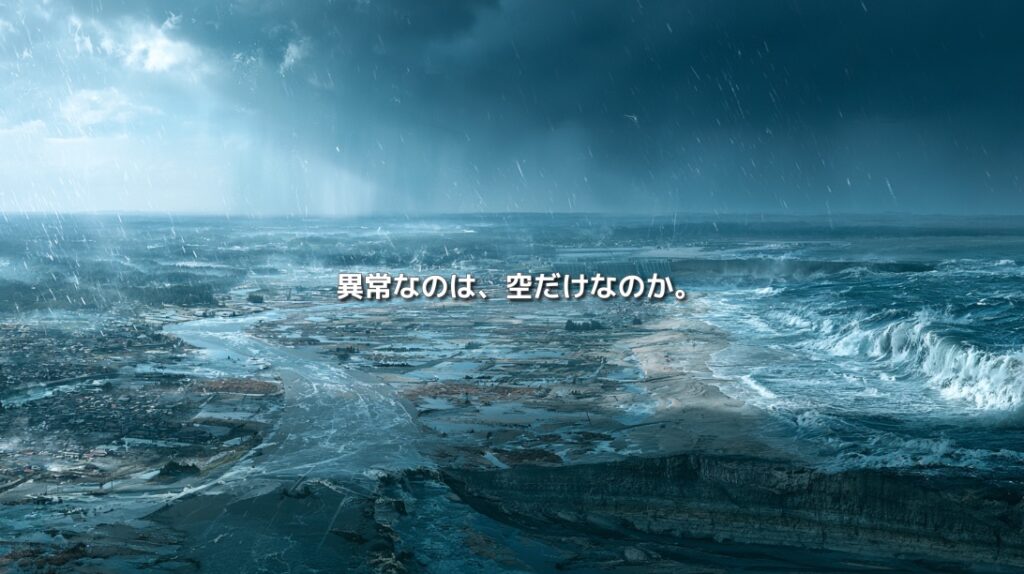
Do Disasters Come Only from the Sky? How “Extreme Weather” Obscures Changes in the Land
Extreme weather is intensifying, but rainfall alone does not determine the scale of a disaster. Land use, urban development, river engineering, sediment loss, exposure, and social vulnerability all shape what happens after the rain reaches the ground. -
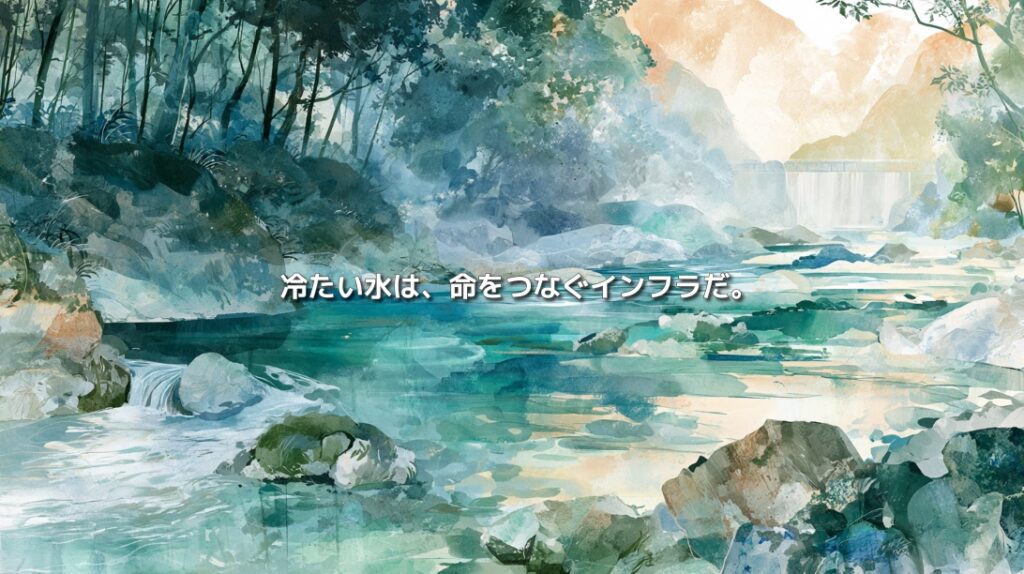
Can Cold Water Become Infrastructure? Protecting Rivers Through Riparian Forests, Springs, and Dam Operations
As climate change raises river temperatures, cold-water refuges are becoming essential infrastructure. Riparian forests, springs, tributaries, deep pools, fish passages, and dam operations can form a connected network that helps freshwater species survive extreme heat. -
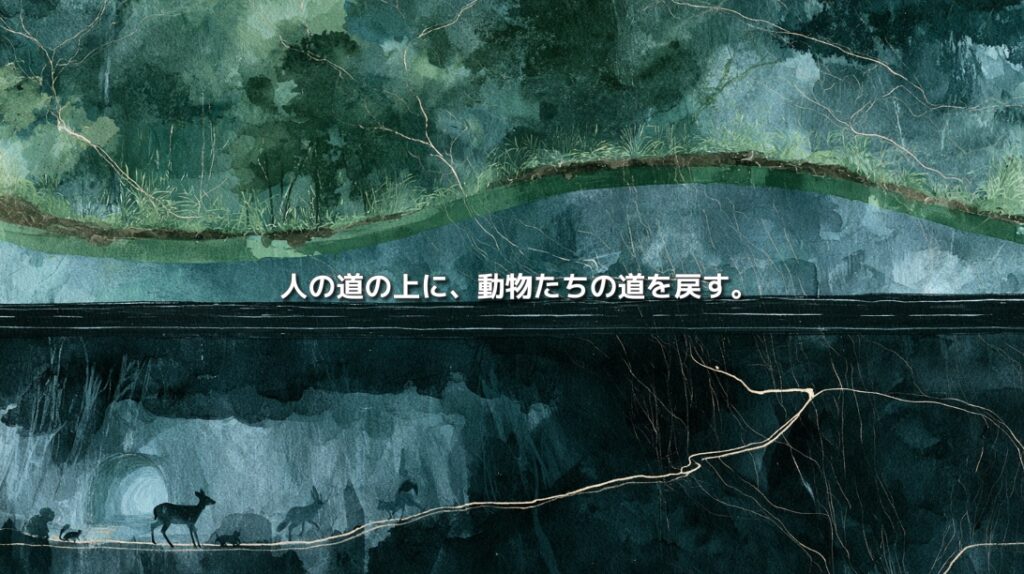
Building Roads for Wildlife: Can Animal Paths and Wildlife Crossings Reconnect Fragmented Ecosystems?
Roads support human movement but often divide the habitats wildlife need to survive. This article explores how tunnels, green bridges, canopy ropes, fencing, and long-term monitoring can reduce roadkill and restore ecological connectivity. -
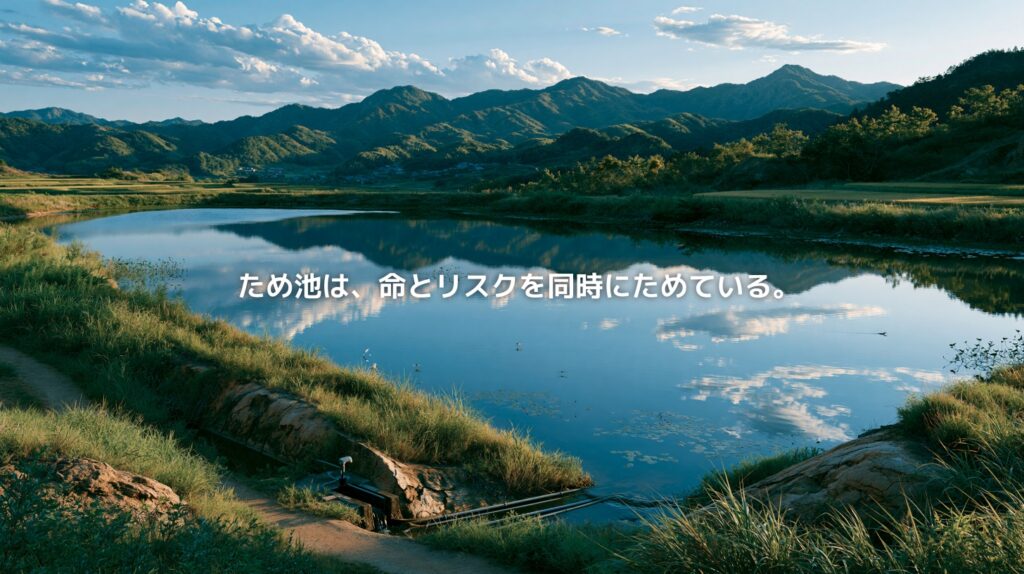
Why Have Japan’s Irrigation Ponds Become Dangerous?
Japan’s irrigation ponds have supported rice farming, wildlife, and rural communities for centuries. Today, aging infrastructure, fewer managers, and heavier rainfall are turning these familiar waterscapes into growing disaster risks. -
Designing Cities to Stay Cool
Cities do not have to keep storing heat. Shade, mature trees, water-retentive ground, wind corridors, efficient buildings, and cooling shelters can help create safer urban environments designed around everyday life. -
Who Bears the Heat?
Urban heat is not experienced equally. Children, older people, outdoor workers, and residents of neighborhoods without trees or cooling spaces often bear the greatest burden. The urban heat island effect reveals not only how cities retain heat, but also whom they are designed to protect. -
Street Trees Are Dying in Extreme Heat: How Much More Can Urban Greenery Endure?
Street trees are more than urban decoration. They provide shade, reduce surface temperatures, absorb rainwater, support biodiversity, and protect pedestrians from extreme heat. Yet the trees themselves are being weakened by compacted soil, limited root space, drought, heavy pruning, and rising temperatures. This article examines the role of street trees as living infrastructure and asks whether Japan’s urban greenery can survive a hotter future. -
湖の国は、なぜ水に悩むのか
雨を待つ国から、水を設計する国へ─マラウイが映す気候変動時代の未来 マラウイ。アフリカ南東部にある、内陸の国です。 この国を語るとき、よく使われる言葉があります...


1