In a Small Port on the Seto Inland Sea, Trade Helped Shape a Landscape and Its Culture
NEOTERRAIN Journal | Intellectual Travel #06 | Onomichi, Hiroshima
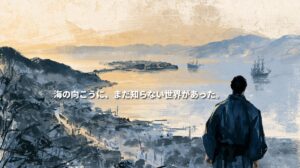
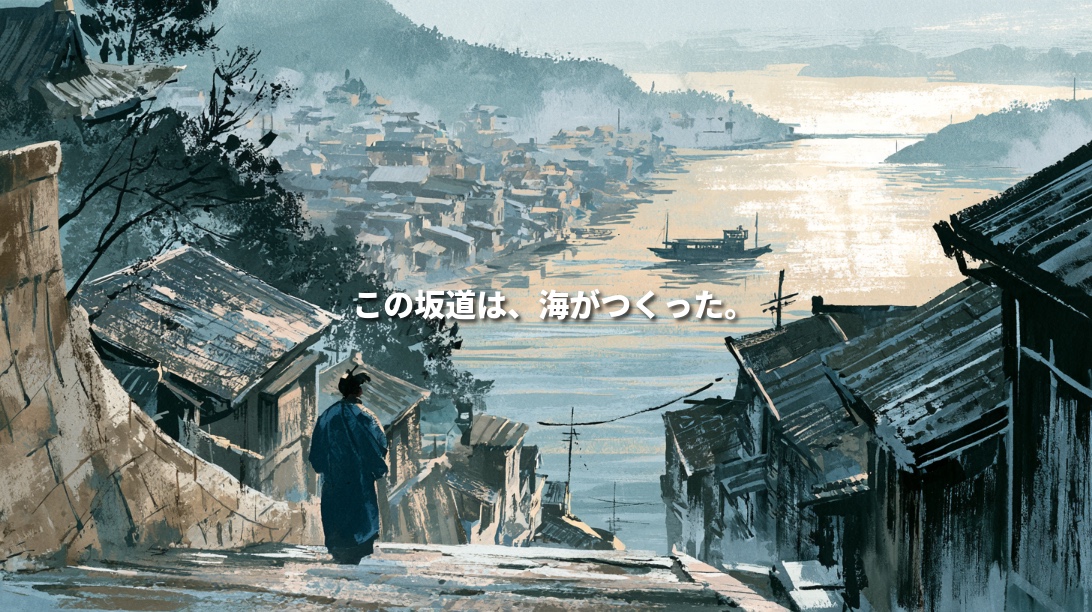
There is a hillside path from which you can see the sea.
Turn around halfway up the stone steps, and a narrow stretch of water glimmers beyond the rooftops.
Across the channel lies Mukaishima.
Small ferries move slowly between the two shores.
Onomichi has an unusual sense of depth.
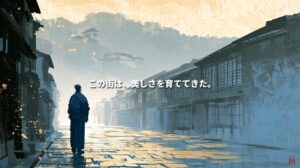
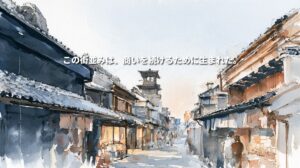
Narrow lanes. Houses climbing the slopes. Temples scattered across the hillside. Streets opening toward the water.
The land itself feels like an old book, its stories folded into every turn.
But why did Onomichi take this particular shape?
Why did people settle on slopes with so little level ground? Why did merchants gather at its harbor? How did its temples and cultural life develop?
Following these questions reveals that the town’s beauty emerged through a long history.
Its landscape records the lives of people who traveled by sea, made homes on the hills, and built prosperity through trade. neoterrainjournal.com
01 | A Town Between the Mountains and the Sea
A map offers the first clues to Onomichi’s development.
Hills rise close behind the town on the Honshu side. To the south lies the Onomichi Channel, a narrow strait separating the waterfront from Mukaishima.
Flat land is scarce.
The terrain differs greatly from that of a city spreading across a broad plain.
People made use of the narrow coastal strip and gradually extended their homes onto the slopes.
The hillside houses, steep paths, and stone stairways that now define Onomichi grew out of those practical decisions.
The paths connected homes with the harbor, temples with the town, and neighbors with one another.
Climb the steps one at a time.
Beneath your feet, stones have been worn smooth by years of passage.
Turn around, and the sea appears.
Here, the routes of everyday life helped create the town’s distinctive landscape.
Sometimes beauty emerges from generations of people learning to live with difficult ground.
02 | Why Did Ships Gather Here?
To understand Onomichi, begin with the Seto Inland Sea.
For centuries, these waters formed an important maritime route linking western Japan with the Kinai region around Kyoto, Osaka, and Nara.
Ports along its shores served as places where people and goods could gather, change hands, and continue their journeys.
Onomichi was one of them.
In 1169, toward the end of the Heian period, Onomichi is said to have received official recognition as a port for shipping rice collected as tax from the Ōta estate in Bingo Province.
Rice grown inland was gathered and sent away by sea.
The port connected agricultural production with maritime transport.
A harbor is a place where the resources of one region begin their journey toward another.
From the medieval into the early modern period, Onomichi developed as a center of trade on the Seto Inland Sea.
Ships brought cargo. Cargo attracted merchants. Commerce created demand for warehouses, shops, inns, and financial services.
Work multiplied around the waterfront.
The town grew through its ability to receive and organize the movement of people and goods.
03 | The Kitamaebune Carried More Than Cargo
During the Edo period, Onomichi also prospered as a port of call for the Kitamaebune.
These merchant ships traveled between Osaka and northern regions, including Hokkaido, by way of the Sea of Japan. They bought and sold goods at ports along the route.
Their voyages brought a wide range of products into circulation and stimulated commerce in Onomichi.
Kombu kelp transported from northern waters, for example, became closely connected with food cultures around the Seto Inland Sea and the Kyoto–Osaka region.
Alongside goods came information.
News from distant places. Ways of doing business. Food traditions. Personal connections.
Ports brought different regional experiences into contact.
Merchants needed to understand local demand, judge prices, and build trust. Their work depended on gathering information and sustaining relationships over time.
Such activities supported Onomichi’s prosperity.
Eventually, the wealth accumulated through trade appeared elsewhere in the town—in buildings, temple patronage, and cultural life.
What arrived by sea gradually became part of the landscape.
04 | Why Are There So Many Temples?
Walk along Onomichi’s hillsides, and temples appear one after another.
Senkō-ji.
Jōdo-ji.
Saikoku-ji.
At the top of a flight of steps, a temple courtyard opens onto a view of the channel.
Onomichi’s reputation as a town of temples reflects both its long religious history and its prosperity as a port.
Since medieval times, temples have served communities in many ways, alongside their role as places of worship.
Merchants helped finance construction and repairs, directing some of their trading wealth toward religious and cultural institutions.
Their support may have expressed devotion, relationships within the community, and a wish to leave something lasting in the town.
Each temple, however, has its own history.
Their foundations and development also involved warriors, regional rulers, and other patrons. Merchant donations alone cannot explain them all.
What matters is the enduring relationship between the port’s economy and its religious life.
A temple bell sounds.
Its resonance travels down the slopes toward the water.
Did the people who once watched trading ships arrive hear a similar sound?
In Onomichi, the prosperity of commerce and the places of prayer have long stood close together.
05 | Why Do These Hills Invite Stories?
Onomichi has another identity: a town of film and literature.
It is an important setting in Yasujirō Ozu’s Tokyo Story.
Through Nobuhiko Obayashi’s films—including I Are You, You Am Me, The Girl Who Leapt Through Time, and Lonely Heart—its streets and slopes have also entered the memories of audiences far beyond the town.
Why does this place invite storytelling?
Part of the answer may lie in its terrain.
Climb a slope, and the view opens.
Enter a narrow lane, and the sea disappears.
Turn a corner, and an old house comes into sight.
At the top of a staircase, an unexpected landscape awaits.
In Onomichi, the view changes with almost every movement.
What is visible and what is hidden. What lies close by and what appears far away. Buildings carrying the past and people living in the present.
These relationships exist naturally within the town.
In cinema, a landscape can convey emotion and the passage of time.
Onomichi’s streets leave room for people to place their own memories and feelings within them.
Its hillside paths can feel like entrances into a story.
06 | Everyday Life Beyond the Beautiful View
Admiring Onomichi’s slopes and living on them are different experiences.
Stone steps that appeal to visitors can make carrying groceries or moving belongings difficult.
For older residents, steep paths may become a serious obstacle to daily life.
Some homes cannot be reached by car. Repairs and demolition can be costly.
Population decline and aging can also leave houses vacant.
In Onomichi, local initiatives have worked to give some of these buildings new uses.
Old houses have been renovated as homes, shops, and places where people can meet.
Such projects seek to sustain the historic landscape while making room for new activity.
Renovation, however, is no simple solution.
Safety, maintenance, relationships with neighbors, and financial viability all require attention.
A town’s future remains uncertain if its appeal to visitors grows while everyday life becomes harder for residents.
Caring for Onomichi means considering the conditions that allow people to keep living within the landscape.
07 | How the Shimanami Kaidō Changed Onomichi’s Role
In 1999, the Shimanami Kaidō route fully opened between Onomichi and Imabari in Ehime Prefecture.
Linking islands by a series of bridges, it changed transport, logistics, and tourism across the region.
It has also become known internationally as a cycling route.
Onomichi developed through maritime traffic. Today, it is also a starting point for journeys by bicycle through the islands of the Seto Inland Sea.
Modes of movement have changed, and new ones have been added.
Ships. Cars. Bicycles.
Ferries still cross the Onomichi Channel, continuing to support travel between its shores.
What is striking is how the town has found different roles within changing transport networks.
A medieval port shipping tax rice.
An early modern trading center receiving merchant vessels.
A contemporary base for tourism and exchange among the islands.
Through these changes, Onomichi has continued to connect people with places.
Its history keeps being reshaped by those who pass through it.
08 | Walking Through Onomichi Again
On your next visit, try changing the way you look.
Along the waterfront, imagine the rice, cargo, and merchants that once moved through the port.
On the hillside paths, remember that the view you admire is also part of someone’s daily routine.
At the temples, consider the long relationship between faith and trade.
Watching a ferry cross the channel, think of the centuries during which this town has connected people and goods.
Onomichi’s beauty differs from the beauty of a city laid out according to a single orderly plan.
The hills press close. The sea lies below. Level ground is limited.
Within those conditions, people made homes, conducted business, offered prayers, and developed cultural lives.
Cities do not always begin on ideal terrain.
Sometimes their particular character emerges as people respond, generation after generation, to the ground they have.
Evening comes to Onomichi.
At the end of a hillside path, the sea appears.
A ferry makes its slow crossing.
People have watched this water for centuries.
The cargo has changed. The reasons for traveling have changed.
Between the hills and the sea, daily life continues.
The sea and generations of human lives shaped these hillside paths.
Understanding changes what we see.
Editor’s Note — NEOTERRAIN
When I think about Onomichi, I find myself returning to the word “inconvenience.”
Hills rise close to the shore. Flat land is scarce. Steep paths run between houses.
Judged only by the demands of modern urban efficiency, this may seem difficult terrain.
Yet these conditions helped produce a distinctive town.
Commerce grew beside the water. Homes climbed the slopes. Temples took their places overlooking the streets.
That landscape became a setting for films and literature, and it continues to draw visitors.
The difficulties of living here, however, deserve to be taken seriously.
For residents, the slopes are a daily reality.
Thinking about Onomichi’s future means considering historic preservation and the ability to sustain everyday life together.
Maintaining old streets and buildings.
Creating conditions in which new residents can make homes.
Ensuring that the economic benefits of tourism support the local community.
All are part of the same task.
Onomichi reminds us that human lives lie behind every landscape we admire.
Perhaps the value of a town is something its residents continually renew as they build their futures.
To care for a landscape is also to care for the future of those who live within it.
NEOTERRAIN — Intellectual Travel
Let complexity remain complex.