World Environmental Geography | Albania
A river is more than a line on a map.
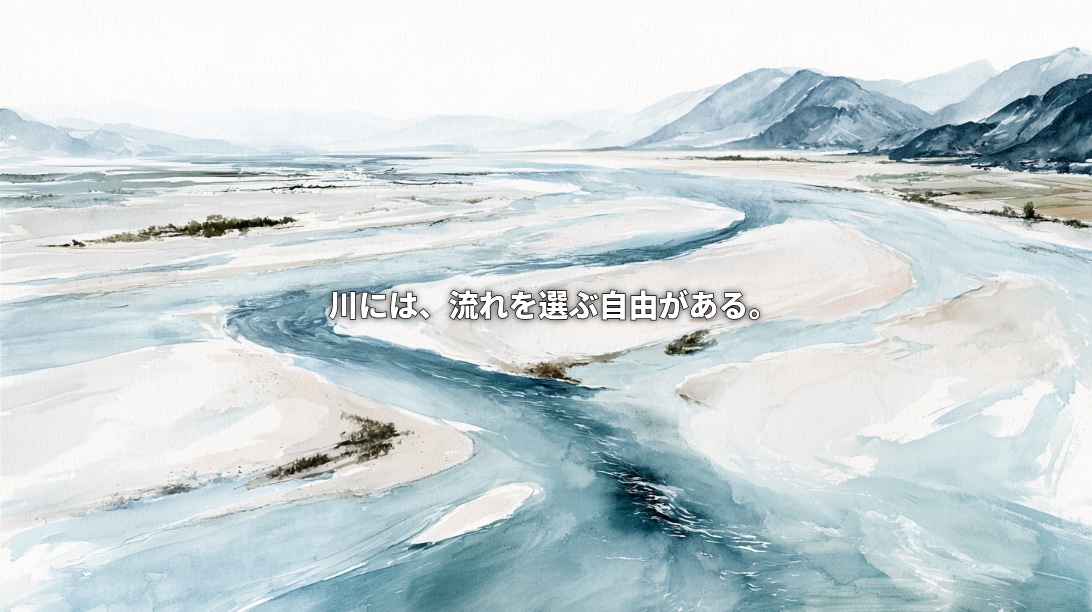
When stones and sand carried down from the mountains settle on the riverbed, water finds a way around them. In flood, it cuts into one bank and leaves sediment somewhere else. Islands emerge between channels. In time, plants take root.
Along Albania’s Vjosa, the river still does this work.
From its source in Greece’s Pindus Mountains, the Vjosa crosses Albania and flows into the Adriatic Sea. It is one of Europe’s last large free-flowing rivers. In 2023, Albania established the Vjosa Wild River National Park to protect the river’s ability to flow freely. IUCN
Drawing a boundary on a map is only the beginning. People still draw water, extract gravel and welcome visitors along the river. The question facing the Vjosa is how people can keep using the river while leaving it room to move.
What Does It Mean for a River to Flow Freely?
A river’s freedom has as much to do with the ground it reshapes as with the water that runs through it.
Flows rise and fall with the seasons. Sand and pebbles travel downstream. Channels shift, changing the shape of banks, islands and floodplains. Fish, birds and riverside plants find habitats amid these changes.
The Vjosa links the gorges of its upper reaches, the branching channels of its middle course and the delta where it meets the sea. According to the International Union for Conservation of Nature (IUCN), the river and its main tributaries extend for more than 400 kilometres from the Greek mountains to Albania’s Adriatic coast. That figure counts the tributaries as well as the main river. IUCN
The river carries sediment and nutrients downstream. It also provides routes for wildlife to move through the watershed. UNESCO describes how the Vjosa continually reshapes its channels, islands and floodplains, creating a mosaic of habitats. The landscape takes shape through the river’s movement. UNESCO
From the Dam Debate to a National Park
Across Europe, rivers have been reshaped to generate electricity, control flooding, supply water and make navigation possible. Hydropower dams were proposed on the Vjosa, too.
Hydropower supplies electricity. A dam also changes how water and sediment move, with possible consequences for gravel bars and downstream ecosystems. The debate over the Vjosa raised a question that reached beyond any one project. What was it worth to keep a river connected along its course?
In March 2023, following conservation efforts by the Albanian government, local organisations, researchers and the IUCN, Albania declared the Vjosa Wild River National Park. The initial designation covered active river channels and land shaped by flooding and erosion. Protecting the wider watershed, including its tributaries, remained a matter for ongoing planning and management. IUCN
The designation gave park managers a starting point for deciding which uses to allow, where they could take place and what conditions would protect the river.
Life Along the River
People along the Vjosa have long farmed, raised livestock and fished. In recent years, rafting, kayaking and wildlife watching have also brought work to communities along its banks. IUCN
For people who live here, the river is water for fields, a place where fish move through and a place to earn a living guiding visitors. Those who know how the river changes from season to season have a role in deciding how it is used.
More visitors bring demand for roads, places to stay, water supplies and waste services. As tourism grows, so does the work of caring for the river people come to see. The IUCN has identified a challenge for the park and the surrounding area in making tourism work for local livelihoods and conservation alike. IUCN
Drawing Water from a River in a National Park
One of the questions that followed the designation was whether to draw water from a tributary inside the park.
In 2024, the IUCN assessed the potential ecological effects of a rural water supply project involving the Shushica, a tributary of the Vjosa. A reliable water supply matters to the communities it serves. Drawing water from a river within the park can also change how much water flows downstream and affect the habitats it sustains. IUCN
The IUCN’s approach starts by looking for ways to avoid harm. Where some impact is unavoidable, the next steps are to reduce it and consider how to restore damaged areas. In 2025, the IUCN also stressed the importance of looking at alternative water sources outside the protected area. IUCN
Every tap is supplied from somewhere. When that source is a river in a national park, the decision has to account for the people who need the water and the life sustained by what remains in the channel.
What It Takes to Protect a River
The riverbed and the land around it are also used. Gravel extraction can alter the shape of the bed and its islands. Waste and wastewater can affect water quality. In 2025, Riverwatch and other conservation groups reported that extraction, water withdrawals, waste and tourism development continued to put pressure on the park. Their findings were based on field investigations. The extent of the impact needs to be assessed site by site and activity by activity. Riverwatch
That same year, the IUCN called for effective management and careful review of development proposals. Keeping the Vjosa connected to its tributaries remains central to the park’s work. IUCN
Measure water quality. Track how much water is taken. Find out how a gravel operation or a new facility might change the flow. Work with residents to decide how the river is used. This is how a line on a map begins to protect a river on the ground.
One River, from the Mountains to the Sea
The Vjosa rises in Greece, crosses Albania and empties into the Adriatic. The border lies somewhere along the river’s course.
Protecting its flow in Albania means paying attention to what happens upstream, in its tributaries and at its mouth. The river’s connections extend beyond the park boundary and through the watershed.
In 2025, UNESCO designated the Vjosa Valley a biosphere reserve. The designation is separate from the national park established in 2023. It takes in both the ecology of the river and the lives of people throughout the valley. UNESCO
A river allowed to stay wild will look different the next time you see it. When the water rises, it spreads out, carries stones downstream and reshapes the banks. Living with the Vjosa means leaving room for those changes.
How much room can we leave for the river to keep making its own course?
References
- IUCN · The designation of the Vjosa Wild River National Park
- UNESCO · Vjosa Valley Biosphere Reserve
- IUCN · Assessment of rural water supply infrastructure in and around the park
- IUCN · Free-flowing rivers and protected area governance in Albania
- IUCN · The Vjosa National Park and sustainable tourism
- Riverwatch · Field report on pressures facing the Vjosa Wild River National Park