What stands in the way of restoring Armenia’s Lake Sevan
NEOTERRAIN Journal | World Environmental Geography | Armenia
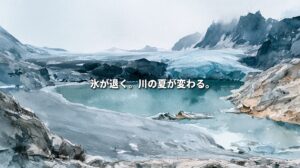
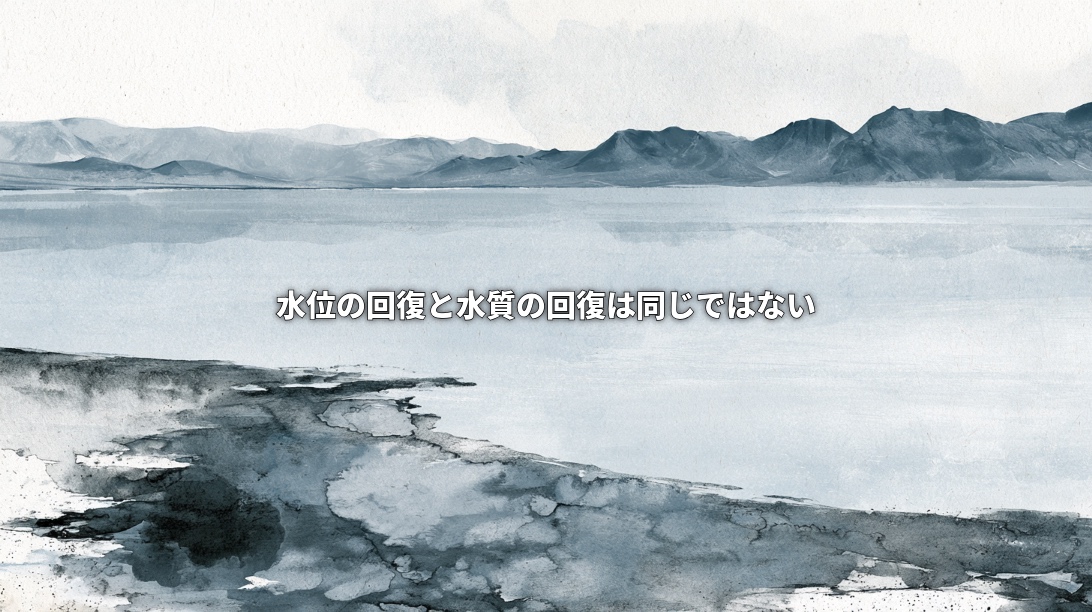
Mountains surround Lake Sevan, a vast freshwater lake that sustains everyday life in Armenia. Its water irrigates fields and generates electricity. People fish in it and spend their summers along its shores. All of those lives meet at the same waterline.
Decades of heavy withdrawals lowered the lake dramatically. Armenia has since worked to raise it again by limiting releases and bringing in water from other rivers. Yet in recent summers, large blooms of cyanobacteria have repeatedly spread across the surface.
As the lake fills again, what will it take for the water to clear? At Sevan, the question of how much water to keep in the lake goes hand in hand with the question of what flows into it.
How People Lowered the Lake
Beginning in the 1930s, water released from Lake Sevan was used for irrigation and hydropower. A World Bank report puts the difference between the lake’s near-natural level in the 1930s and its low point in 2001 at more than 19 metres. By then, the lake had lost an estimated 44 percent of its volume. As the shoreline receded, aquatic habitats and water quality changed with it. World Bank
The water released from Sevan irrigated farms downstream and helped supply electricity. Deciding how much water the lake can spare means taking those needs seriously alongside the needs of the lake itself.
Armenia began trying to stabilise and raise the water level in the 1980s. From 2001 onward, it made gains by bringing water in through tunnels and managing how much flowed out. In September 2026, Armenia’s Water Committee reported that 75.3 million cubic metres had been withdrawn for irrigation that season, down from 180.1 million the year before and the lowest amount in 65 years, according to the committee. The lake stood 21 centimetres higher than a year earlier. Those figures describe the change in water level and use over a single season. The lake’s ecological recovery takes a different set of measurements. World Bank · Armenia’s Water Committee
The Water Returns, and the Lake Turns Green
Historical records show that the water was clearer during earlier periods when the lake was rising. Then came the summer of 2018. A major bloom of cyanobacteria spread through Lake Sevan, and the water lost much of its clarity. Gevorgyan et al.
Cyanobacteria, often called blue-green algae, were already present in the lake. Researchers studying the 2018 bloom also detected toxins. Whether toxins are present can vary with the organisms involved and where and when samples are taken. The colour of the water alone cannot tell us what is in it. Gevorgyan et al.
Why would a lake bloom as its water level recovers? One part of the answer lies in nutrients such as nitrogen and phosphorus. They reach the lake in household wastewater and runoff from farmland, and through activities such as livestock farming and aquaculture. Researchers at the American University of Armenia have also looked at phosphorus in household detergents. Phosphorus already stored in lakebed sediment can return to the water, so improvements can take time even after less of it enters from outside. Acopian Center for the Environment · Journal of Limnology
Water temperature matters too. The researchers who studied the 2018 bloom found that unusually warm water may have helped it develop alongside the prevailing nutrient conditions. To understand how the lake changes from one summer to the next, researchers need to track water levels, wastewater inputs, nutrients stored in the sediment and seasonal water temperatures together. Gevorgyan et al.
Restoration Begins Beyond the Shore
The work of clearing the lake reaches upstream into the streams that feed it, the villages and fields along their banks, and the systems that carry away wastewater.
In 2025, a small treatment plant began operating at a kindergarten in the lakeside village of Noratus. Wastewater is treated on site and reused for irrigation, keeping that untreated discharge out of the lake. The World Bank has also called for better wastewater treatment and for measures to improve water quality in Sevan. The next challenge is to make local projects like the one in Noratus part of a plan for the whole watershed. Armenia’s Water Committee · World Bank
Managing withdrawals while supplying farms with water is one part of restoring Sevan. Treating wastewater and reducing the nutrients that wash in from fields and settlements is another. Alongside the water level, measurements of clarity, nutrient concentrations and cyanobacterial blooms can show whether those efforts are improving conditions in the lake. Gevorgyan et al.
A higher waterline is a step towards recovery. The next signs will come from the water itself, in the life it can sustain and the ways people can safely use it. A gauge can tell us how high the lake has risen. To see how far it has recovered, we have to look beneath the surface.
References
- World Bank · Toward Integrated Water Resources Management in Armenia
- Armenia’s Water Committee · Lake Sevan irrigation withdrawals in 2026
- Gevorgyan et al. · Study of the 2018 cyanobacterial bloom and toxin detection
- Journal of Limnology · Study of phosphorus in Lake Sevan’s sediments
- American University of Armenia, Acopian Center for the Environment · Study of phosphorus in household detergents and its impact on Lake Sevan
- Armenia’s Water Committee · Decentralised wastewater treatment in Noratus