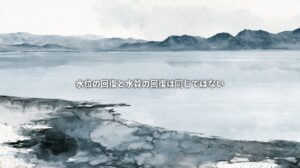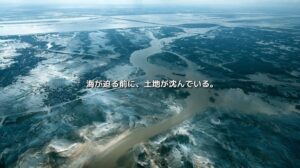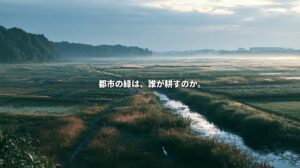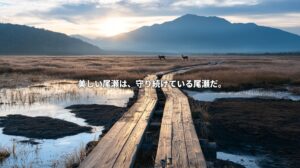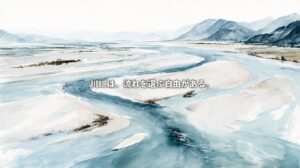
Between a river and dry land lies a place that does not fit neatly into either category.
After prolonged rain, it fills with water. When conditions dry out, grasses grow across it. The ground can be muddy and difficult to build on. For generations, many wetlands were treated as land waiting to be converted into farms, factories or housing.
That view is changing.
Wetlands temporarily hold water, slow its movement, trap sediment and nutrients, and store carbon in their soils. They provide habitat for birds, fish, insects and plants while connecting rivers to the sea and surface water to groundwater. Reproducing all these functions with concrete and machinery would be costly. neoterrainjournal.com
If a lake stores water and a glacier releases it over time, a wetland receives water in motion, moderates its passage and passes it on. It is part of the infrastructure that supports the places where we live.
What Counts as a Wetland?
A wetland might be a broad marsh or a pond full of waterbirds. But the term includes far more: swamps, river floodplains, tidal flats, mangroves, peatlands and shallow lakes. Depending on how they are managed and classified, rice paddies can also be considered wetlands. Some are inundated year-round; others change with the seasons.
Their defining feature is the interaction between water and land.
Modern land use has often tried to draw a firm line between the two. Rivers have been confined behind levees, channels straightened and soggy ground drained. Yet the water cycle also depends on places where water can spread, pause, seep into the ground and return to the atmosphere.
What looked like inefficient land was, in many cases, space that helped regulate the pace of water moving through a watershed. neoterrainjournal.com
Wetlands Do Not Eliminate Floods. They Create Time.
Flood moderation is one of the most valuable functions of many wetlands.
When heavy rain falls, water moves downhill from forests, fields and neighbourhoods. On paved surfaces, it reaches rivers and drainage systems quickly. A wetland along its path can temporarily receive some of that water.
It cannot make a flood disappear. Its value lies in holding water, slowing its flow and delaying its arrival downstream. That delay can reduce a flood peak, ease pressure on drainage systems and give residents more time to respond. If rainfall exceeds the wetland’s capacity, flooding can still occur.
The U.S. Environmental Protection Agency describes wetlands as natural sponges that hold and slowly release surface water, rain, snowmelt, groundwater and floodwater. When a low-lying wetland is filled and developed, the water it once held has to go somewhere else. Drying one parcel of land does not remove water from the watershed; it changes its route. neoterrainjournal.com
When “Safer” Land Creates Risk Elsewhere
Levees, dams, diversion channels and underground storage facilities are essential to flood management. But every engineered system is designed around assumptions about how much water it must handle. Extreme rainfall can exceed those assumptions.
Wetland loss does not, by itself, explain any single flood. Rainfall, terrain, land use, river works and drainage capacity all influence the outcome. Even so, removing places where water can spread and slow down can reduce a watershed’s capacity to cope.
Wetlands need to be considered alongside rivers, forests, farmland, levees and sewers. Their distributed ability to hold and regulate water can form part of a broader flood strategy. neoterrainjournal.com
Wetlands Receive What a Watershed Carries
Wetlands are sometimes called the “kidneys of the landscape.” As water slows, sediment can settle. Plants take up nutrients, and microorganisms break down or transform some substances.
Runoff from farms and cities may carry nitrogen, phosphorus, fine sediment and organic matter. In large quantities, these substances can contribute to algal blooms and oxygen depletion in lakes and coastal waters. A wetland can intercept part of that load before it travels farther downstream.
Its capacity has limits. Excessive pollution can damage the wetland itself. Heavy metals and persistent chemicals may accumulate rather than harmlessly disappear. The sound approach is to reduce pollution at its source and preserve the wetland’s supporting role in water quality. neoterrainjournal.com
When a Carbon Store Becomes an Emissions Source
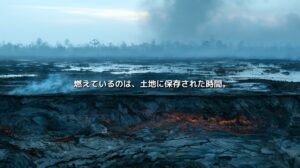
Wetlands also matter to the climate. In peatlands, waterlogged conditions limit oxygen and slow the decay of dead plants. Organic material can accumulate in layers over thousands of years, storing carbon below the surface.
Drainage for agriculture or development allows oxygen into those layers. Decomposition accelerates, releasing stored carbon as carbon dioxide. Drier peat can also become more vulnerable to fire.
The change is easy to overlook. A cleared forest visibly loses its trees. A drained peatland may appear more usable while carbon accumulated over centuries or millennia is being lost underground.
Developing a wetland can alter more than the living ecosystem we see today. It can disturb a record of the past stored beneath our feet. neoterrainjournal.com
Why Have Wetlands Disappeared?
One reason is that their benefits rarely appear on a land valuation sheet.
Convert land into housing, industry or farmland, and the results can be expressed in property prices, output or tax revenue. A wetland’s work is harder to see: a flood peak that was reduced, water quality that did not deteriorate, habitat that remained intact.
These avoided losses seldom receive the same attention as visible development.
Agricultural expansion, urban growth, roads, river engineering, groundwater use, pollution, invasive species and climate change all put pressure on wetlands. Behind many of these pressures lies a familiar assumption: land without buildings or an obvious product is available for another purpose. neoterrainjournal.com
About 22% of the World’s Wetlands Have Been Lost Since 1970
The Convention on Wetlands’ Global Wetland Outlook 2025 estimates that approximately 411 million hectares, or 22% of the global total, have been lost since 1970. Around a quarter of the wetlands that remain are in poor ecological condition.
The report estimates that effectively managed wetlands deliver ecosystem services worth up to US$39 trillion a year. No monetary figure can fully express their ecological or cultural value. It does, however, challenge the idea that development generates value while wetland protection merely costs money.
When wetlands disappear, societies may face higher costs for water treatment, drainage, flood defences and the loss of fisheries and other resources. Replacing several functions once provided by the same landscape can require spending over many years. global-wetland-outlook.ramsar.org
Japan’s Boundaries Between Water and Land
Japan’s well-known wetlands include the Kushiro Wetland, the Oze marshland and the tidal flats of the Ariake Sea. But wetland environments also exist close to everyday life: reed beds along rivers, rice paddies, irrigation ponds, springs, coastal flats and small valleys near cities.
Some regions face population decline, while development pressure persists in more accessible urban areas. At the same time, intense rainfall, urban flooding, heat and biodiversity loss pose connected challenges.
Wetlands should have a place in decisions about watershed flood management, agriculture, biodiversity, tourism, education and urban planning. The practical questions are where to build, where to give water room, and where to restore a landscape’s ability to function. neoterrainjournal.com
Restoration Is More Than Recreating the Past
A wetland that has been lost cannot always be returned to its former state. Channels and levees may have been built, surrounding land uses may have changed, and communities now depend on that landscape.
Restoration means recovering useful ecological and hydrological functions under present conditions. Part of a former floodplain might be allowed to hold water during high flows. A straightened river could gain gentler banks and wetland habitat. A disused field might become a small flood storage area. Tidal exchange or sediment supply could be improved near a coastal flat.
These measures can combine flood management, habitat and landscape quality. But a newly created wetland does not instantly acquire the soils, plants, microorganisms and relationships of a long-established one. Protecting existing wetlands remains especially important. neoterrainjournal.com
How Do We Value a Place That Looks Empty?
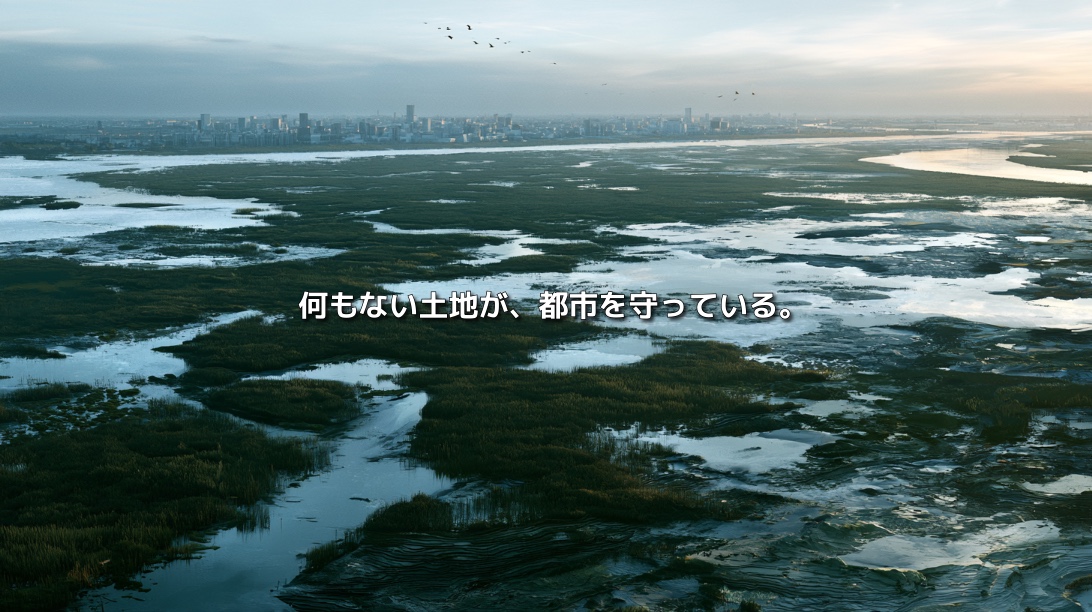
From a city map, a wetland may look like blank space. It has no buildings, roads or obvious output. Seen through the movement of water, it is anything but empty.
It slows flows, receives sediment, provides habitat and connects surface water to groundwater. While it works, its contribution can go unnoticed. A slightly lower flood peak or carbon that remains in the soil rarely becomes a headline.
The question is how we judge the value of land. A parcel’s visible use tells only part of the story; its role in water, climate and living systems also matters.
The Breathing Room in the Water Cycle
A lake stores water. A glacier releases it over time. A wetland receives it, slows it and passes it onward.
Water needs places where it can spread instead of being channelled immediately away. When that space is steadily removed, flood risk, water quality, carbon emissions and biodiversity loss can emerge as separate problems. Sometimes they are connected consequences of changes to the same land.
Wetlands are not leftover land. They are working landscapes between water and dry ground, supporting both ecosystems and society long before their absence becomes visible. neoterrainjournal.com