

-

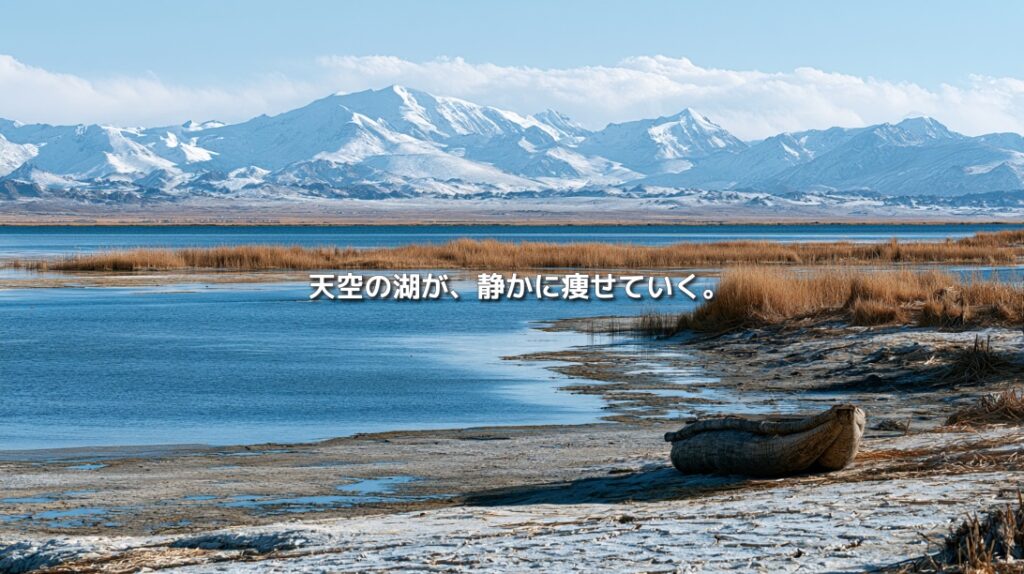
The Lake in the Sky Is Quietly Shrinking: Falling Water Levels and Pollution Threaten Lake Titicaca
Lake Titicaca connects the lives and ecosystems of Peru and Bolivia. As water levels fall and pollution persists, its changing shores threaten totora wetlands, native species, and the communities that depend on the lake. -
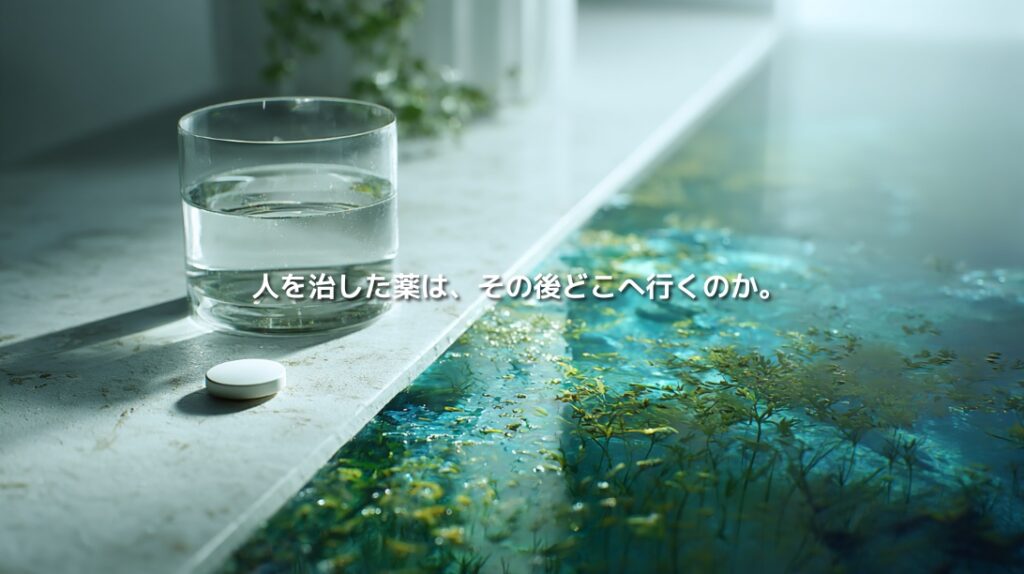
After We Take Medicine, Where Does It Go? The Invisible Problem of Pharmaceutical Pollution in Rivers
After medicines protect human health, some of their active ingredients and metabolites can pass through wastewater treatment and enter rivers. This article examines pharmaceutical pollution, combined exposure to antibiotics, ecological effects, antimicrobial resistance, and how the entire life cycle of medicine can be redesigned. -
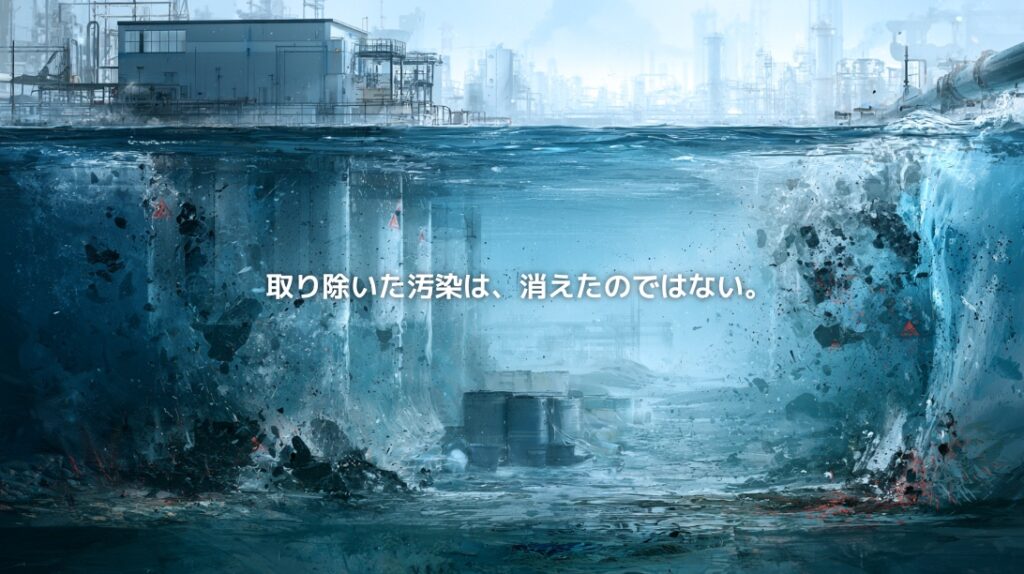
Where Does PFAS Go After It Is Removed from Water? The “Concentrated Pollution” Left Behind by Water Treatment
Removing PFAS from drinking water does not destroy it. The contamination moves into spent activated carbon, resins, foam, or concentrated wastewater—creating new challenges involving destruction, disposal, monitoring, and long-term costs. -
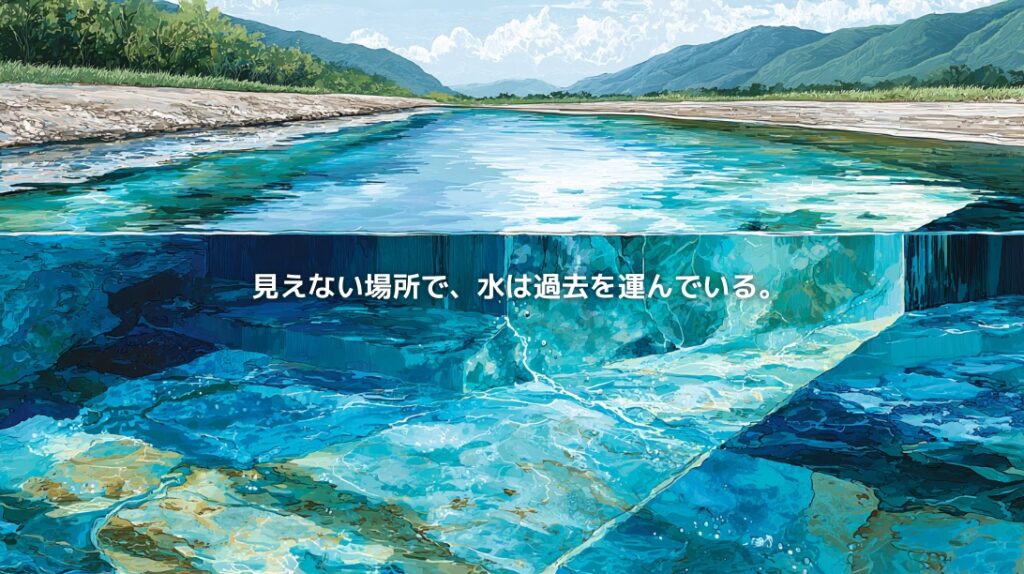
Water Is Connected Underground: The PFAS Contamination Spreading Through Japan’s Groundwater
PFAS compounds are being detected in rivers and groundwater across Japan. Known as “forever chemicals,” they cross administrative boundaries and remain in the environment for decades. What does this invisible contamination mean for drinking water, public health, and society’s responsibility for past industrial activity? -
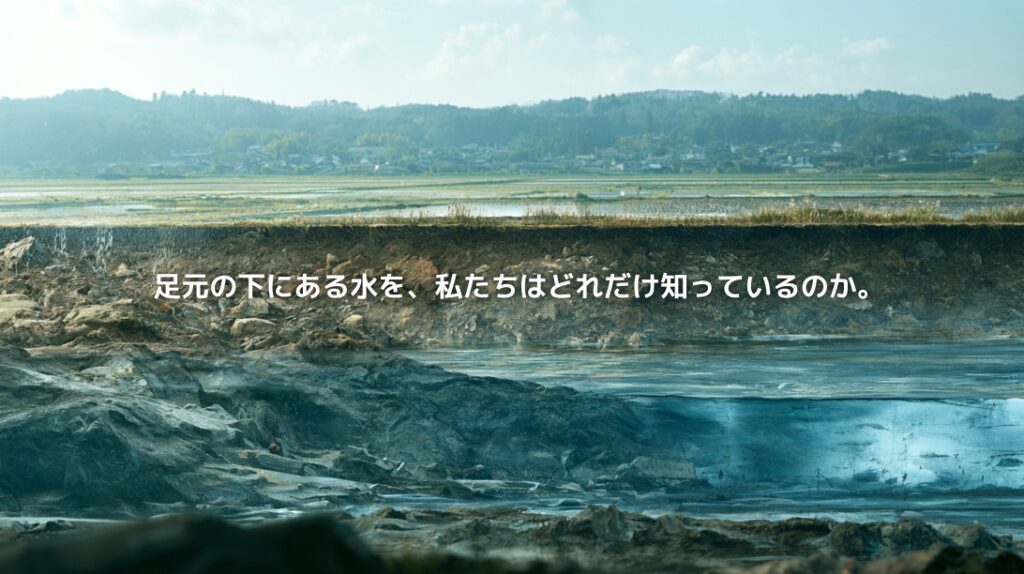
Who Owns Groundwater? The Invisible Water Resource Beneath Our Feet Is Declining
Groundwater quietly supports drinking water, agriculture, industry, ecosystems, and regional culture. Yet overextraction, pollution, urban development, and climate change are disrupting this invisible resource beneath our feet.
1