Lake Tonle Sap’s Seasonal “Breath” Is Growing Weaker
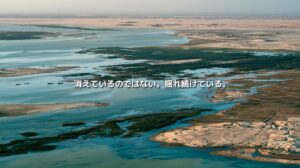
In central Cambodia lies a lake that changes shape dramatically between the dry and rainy seasons: Tonle Sap, Southeast Asia’s largest freshwater lake.
During the dry season, it covers roughly 2,500 square kilometres. In the rainy season, water spreads into surrounding forests and plains, expanding the lake to around 15,000 square kilometres—as much as six times its dry-season area.
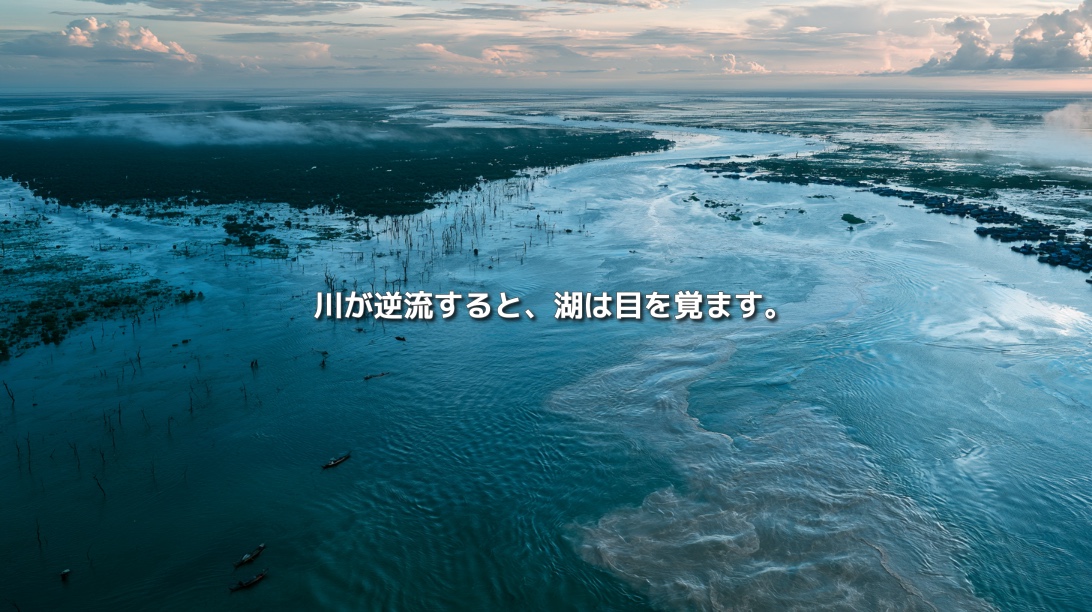
The force behind this expansion is unusual. As the Mekong River rises during the rainy season, it pushes water backward through the Tonle Sap River and into the lake. In the dry season, the river changes direction again, carrying water from the lake toward the Mekong.
Each year, Tonle Sap draws in water and slowly releases it. That movement is the lake’s seasonal breath. neoterrainjournal.com
The Lake’s Richness Comes From Its Reach
Tonle Sap does more than grow deeper in the rainy season. Its waters spread across plains and into forests.
Trees that stood on dry land become partly submerged. Fish swim among their trunks. Leaves, insects, plants, and other organic matter enter the water and become part of the food web.
Flooded forests provide places for fish to spawn and shelter for young fish. As water recedes near the end of the rainy season, fish move back toward the lake and rivers. Their movements also support fishing during the dry season.
The lake’s productivity does not come from holding a fixed volume of water in one place. It comes from water entering forests, spreading across floodplains, and returning to the river.
That seasonal movement sustains an immense ecosystem.
A Lake That Helps Feed Cambodia
Tonle Sap supports one of the world’s most productive freshwater fisheries. According to UNESCO, the lake and its surrounding floodplain account for approximately 60% of Cambodia’s inland fish production.
Floating villages and houses raised on stilts are found around the lake. For generations, people have adapted their fishing, farming, and travel to its changing water levels.
Fish are more than a product to sell. They are an everyday source of food and an essential part of Cambodian cuisine, including prahok, a fermented fish paste.
When water retreats, it leaves nutrients on exposed land where rice and vegetables can be grown. Fishing and farming are thus linked by the same seasonal cycle.
The rhythm of Tonle Sap is closely tied to Cambodia’s food security.
When the Reverse Flow Becomes Shorter and Weaker
That rhythm is changing.
In some recent years, the Tonle Sap River’s rainy-season reversal has been weaker and shorter. The Mekong River Commission reported that weak, brief reverse flow in 2023 affected fisheries and local livelihoods.
Research published in 2022 also found that rainy-season lake levels in the 2010s were, on average, about one metre lower than in an earlier comparison period.
If the lake does not rise enough during the rainy season, it cannot spread as far into surrounding forests. Fish lose spawning and nursery habitat. Less sediment and fewer nutrients reach floodplains, with consequences for farming as well as fishing.
The issue is therefore more than a smaller water surface. The lake is losing some of the extent and duration of its seasonal flood.
Upstream Dams Are Part of the Story
Hydropower dams upstream on the Mekong have long been discussed as a possible influence on Tonle Sap.
Dams can store water in the rainy season and release it in the dry season. If that reduces the Mekong’s natural seasonal rise, it may weaken the difference in water level that drives water backward through the Tonle Sap River.
Dams also trap sediment. That sediment carries nutrients that help sustain plants, fish, and floodplain agriculture.
Yet dams alone do not explain every change. Rainfall, irrigation, other water use, urban development, and changes to river channels all matter.
One influence that has received less attention lies on the riverbed: sand extraction.
How Can Removing Sand Reduce Water Reaching the Lake?
Large quantities of sand have been removed from the Mekong for concrete, roads, and buildings. Taking sand from a river can lower its bed.
A deeper channel might seem capable of carrying more water to the lake. But Tonle Sap’s reverse flow depends on more than the amount of water moving through the Mekong. It depends on the difference between the Mekong’s water level and the lake’s water level.
In the rainy season, water flows toward the lake when the Mekong rises high enough. If the riverbed has deepened, the river’s surface may sit lower even when a similar amount of water is flowing. The difference in water level that pushes water into Tonle Sap can then become smaller.
A 2025 study published in Nature Sustainability identified riverbed lowering associated with extensive sand mining in the lower Mekong as an important possible contributor to the weakening of Tonle Sap’s flood pulse.
Sand used in distant cities can affect whether water reaches a forest—and whether fish can breed there.
A River Carries More Than Water
We often picture a river as a channel for moving water. In reality, it also carries sand, mud, leaves, seeds, nutrients, fish, and microorganisms.
The riverbed itself changes as material is eroded, transported, and deposited again. If upstream dams trap sediment while sand is removed downstream, the riverbed may lose material faster than it is replenished.
The channel can deepen, its banks can become less stable, and the relationship between river flow and water level can change.
These effects need not remain near a mining site. Changes to the Mekong’s bed and sediment supply can influence Tonle Sap’s reverse flow, the formation of the Mekong Delta, coastal erosion, and saltwater intrusion.
Removing sand in one part of a watershed can alter ecosystems far away.
Losing Flooded Forests Means Losing Fish Habitat
While reverse flow is under pressure, flooded forests around Tonle Sap have also been lost to land clearance and fire.
When water no longer reaches the trees, vegetation can dry and become more vulnerable to burning. Land may subsequently be converted to agriculture.
But losing a flooded forest means losing much more than trees along a shore. It removes fish spawning grounds, bird habitat, wetlands that help maintain water quality, and vegetation that protects the shoreline from waves and erosion.
Even if sufficient water returns, an ecosystem cannot function as it once did without places for that water to spread.
Protecting Tonle Sap means protecting both the water and the floodplain that receives it.
Fishing Rules Alone Cannot Protect the Lake
When fish populations decline, authorities may limit catches or regulate fishing gear. Preventing overfishing matters.
But if the forests where fish breed are disappearing, the reverse flow lasts for less time, and fewer nutrients reach the lake, placing the burden solely on fishers will not restore the resource.
Management must extend beyond where fish are caught to the water cycle that allows them to reproduce.
Dam operations, irrigation, water use, sand mining, flooded-forest conservation, and community fisheries management are connected by the lake’s seasonal flood pulse.
Protecting the Lake Means Protecting the River’s Rhythm
Tonle Sap cannot remain the same size throughout the year. Its seasonal expansion and contraction are essential to its ecosystem.
It needs enough water to move down the Mekong at the right time. The river must rise sufficiently for the Tonle Sap River to reverse. Sediment and nutrients must travel with the water. Flooded forests and floodplains must remain where the lake expands.
We cannot understand the lake’s health by looking only at the water inside it. Upstream dams, construction sand, the height of the riverbed, forests, and fishing communities are all part of the same system.
Before the Lake Stops Breathing
Tonle Sap does not merely become smaller when it receives less water.
Without reverse flow, water may not reach the forests. Without flooded forests, fish lose places to grow. When fish populations suffer, food and livelihoods come under pressure.
These changes may advance before a shrinking lake becomes obvious to the eye.
A lake functions through movement: water enters, spreads, carries sediment and nutrients, and returns to the river. Tonle Sap reminds us that protecting a place also means protecting the processes that keep it alive.