

-

Do Rice Paddies Emit Greenhouse Gases? The Current State of Methane Reduction in Rice Farming
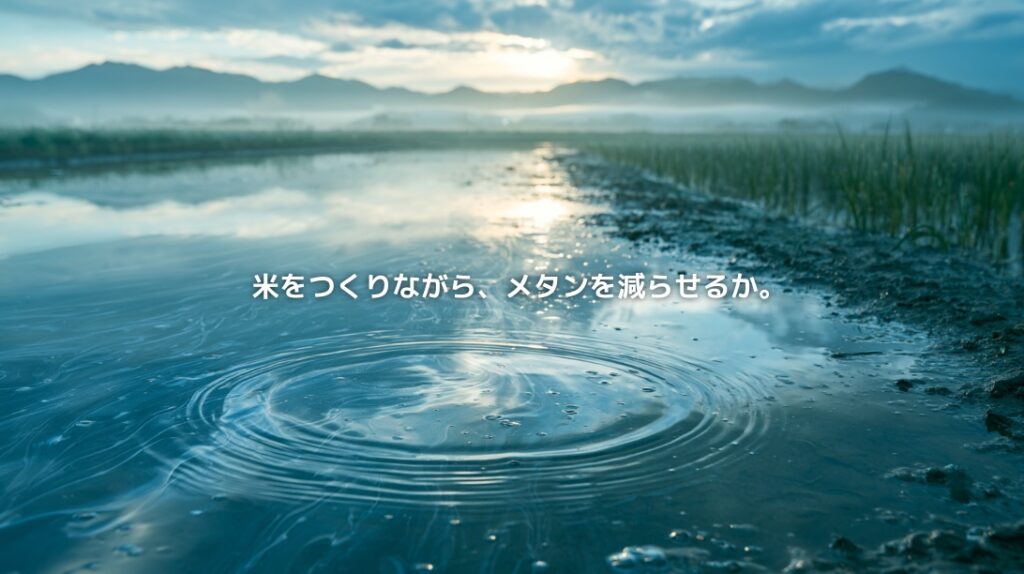
Methane from rice paddies accounts for approximately 40 percent of Japan’s methane emissions. Extending midseason drainage can reduce emissions by around 30 percent, but crop yields, biodiversity, food safety, and farmers’ workloads must also be considered. -
Why Did Japanese Rice Farming Become Dependent on Plastic? The Cost of Labor-Saving Coated Fertilizers
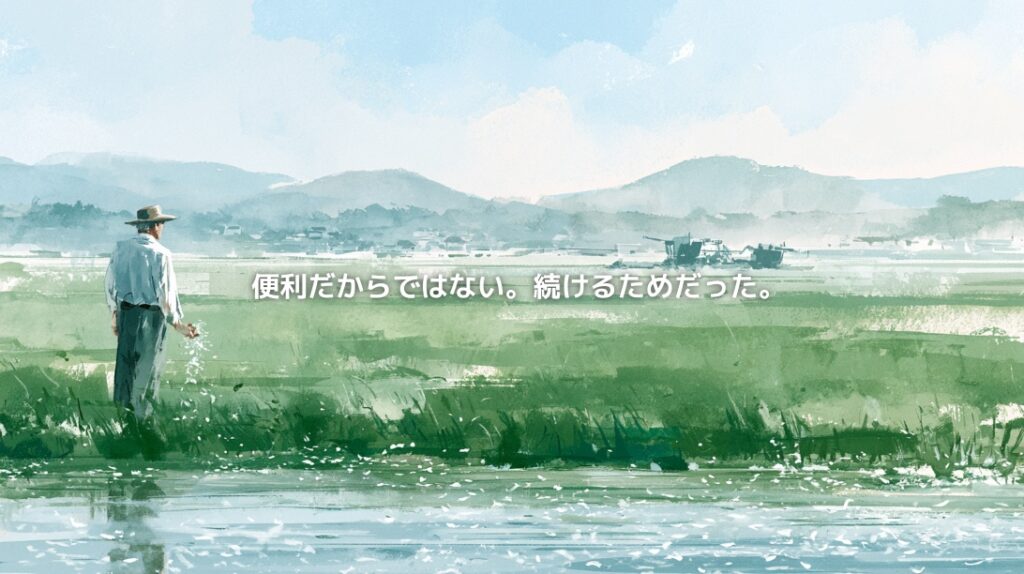
Plastic-coated fertilizers helped Japanese farmers reduce physically demanding summer work and manage larger areas with fewer people. But the empty plastic shells can leave rice paddies and reach the sea. Why did Japanese rice farming become dependent on this technology? -
Can Fertilizer Work Without Plastic? Balancing Labor-Saving Agriculture with Environmental Protection
Plastic-coated fertilizers reduce labor for rice farmers, but their empty shells can escape from paddies and travel through rivers to the sea. Can plastic-free fertilizers, drones, and biodegradable materials protect the environment without increasing farmers’ workloads? -
Plastic Flowing From Rice Fields to the Sea
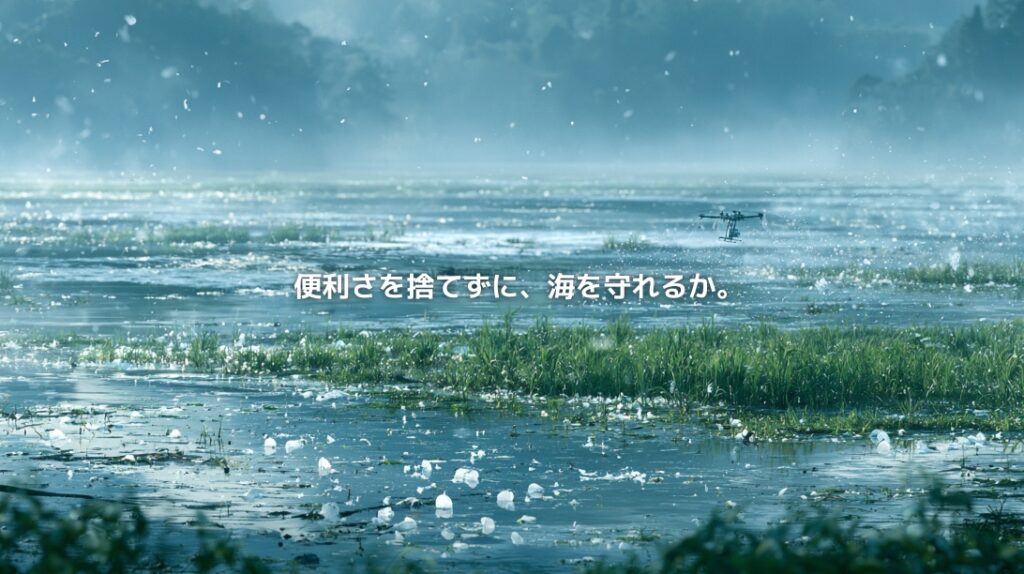
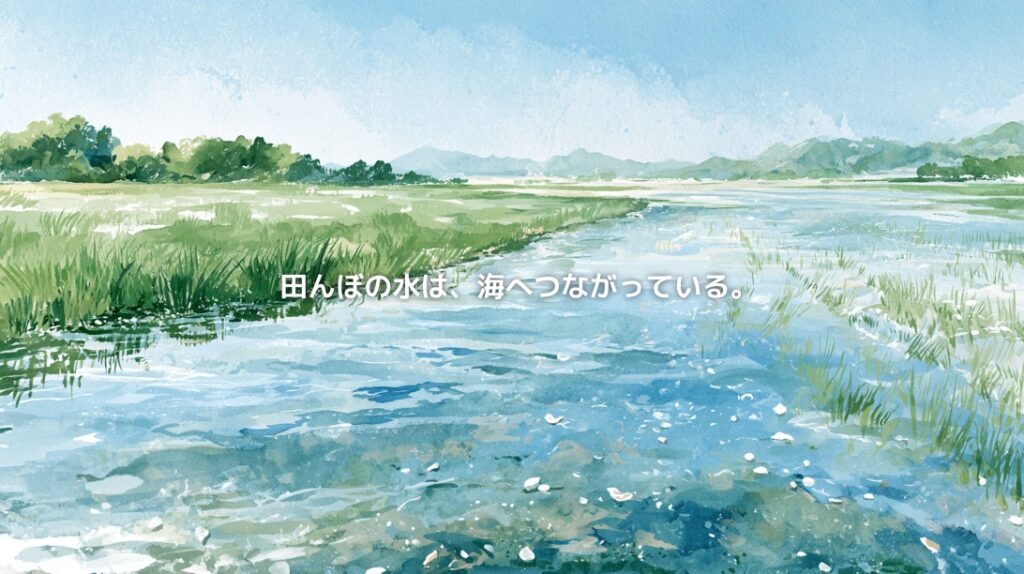
Plastic-coated fertilizers help Japanese farmers reduce labor and use nutrients efficiently. But after the fertilizer dissolves, tiny plastic shells can escape from rice fields, travel through rivers, and eventually reach the sea. -
湖の国は、なぜ水に悩むのか
雨を待つ国から、水を設計する国へ─マラウイが映す気候変動時代の未来 マラウイ。アフリカ南東部にある、内陸の国です。 この国を語るとき、よく使われる言葉があります...

1